I am currently a graduate research assistant at the CRAFT Lab, Northeastern University, advised by Prof. Gilbert Yang Ye. My research focuses on safe robot learning and manipulation.
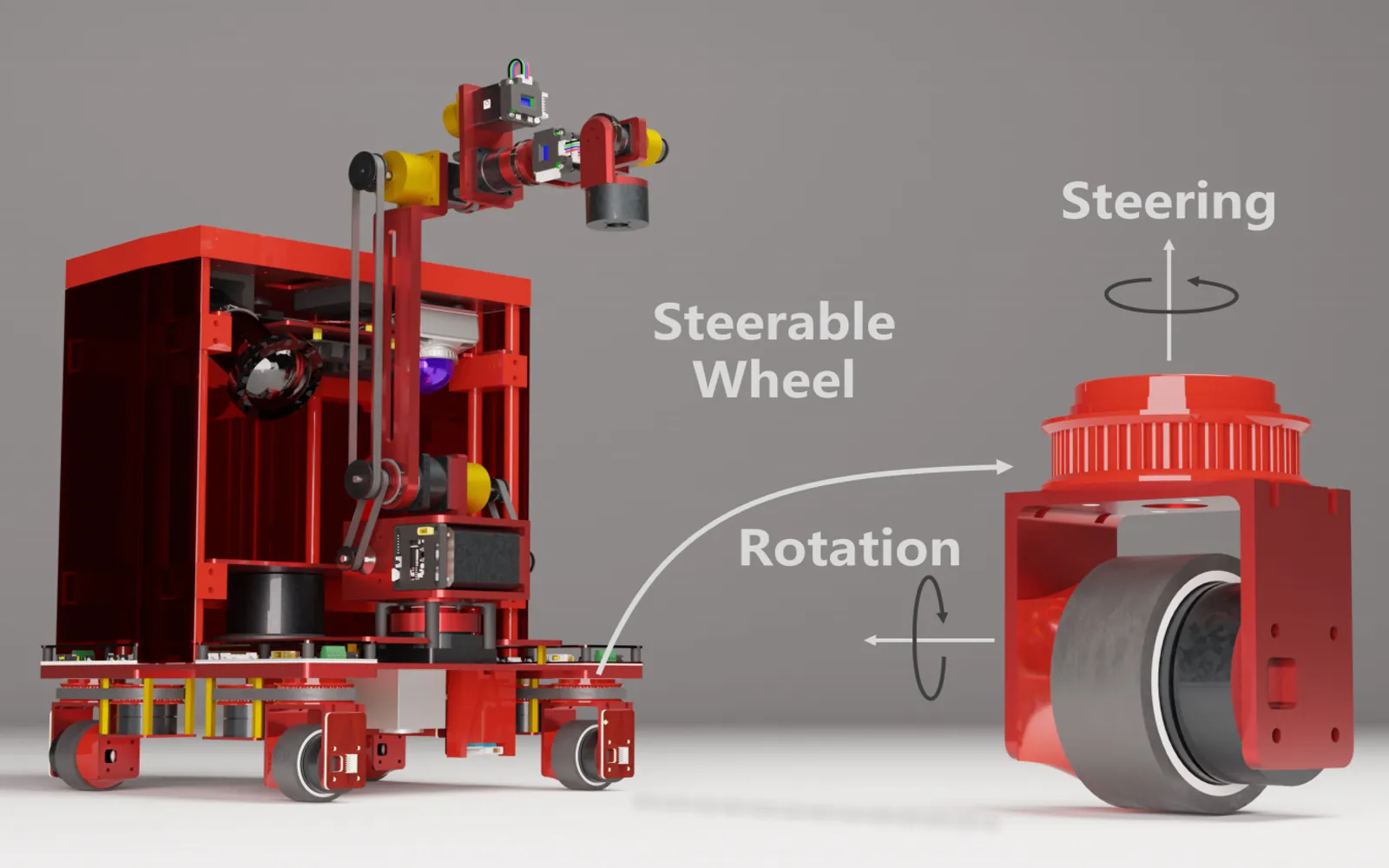
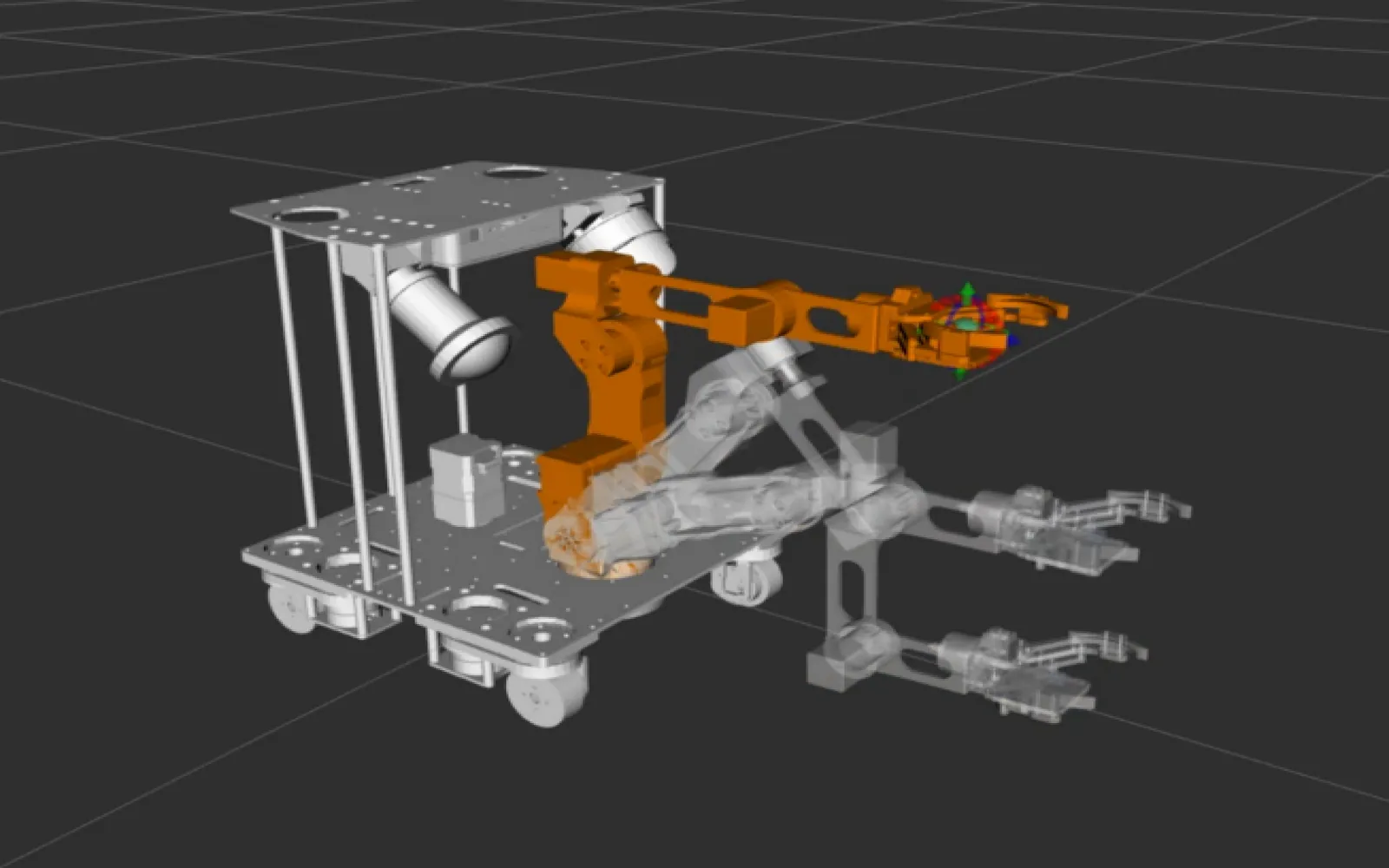
Before joining CRAFT Lab, I worked as a research assistant at SJTU IWIN-FINS Lab advised by Prof. Jianping He, where I co-designed the full-stack Fines robotic platform, covering hardware architecture, embedded control framework, and perception pipeline.
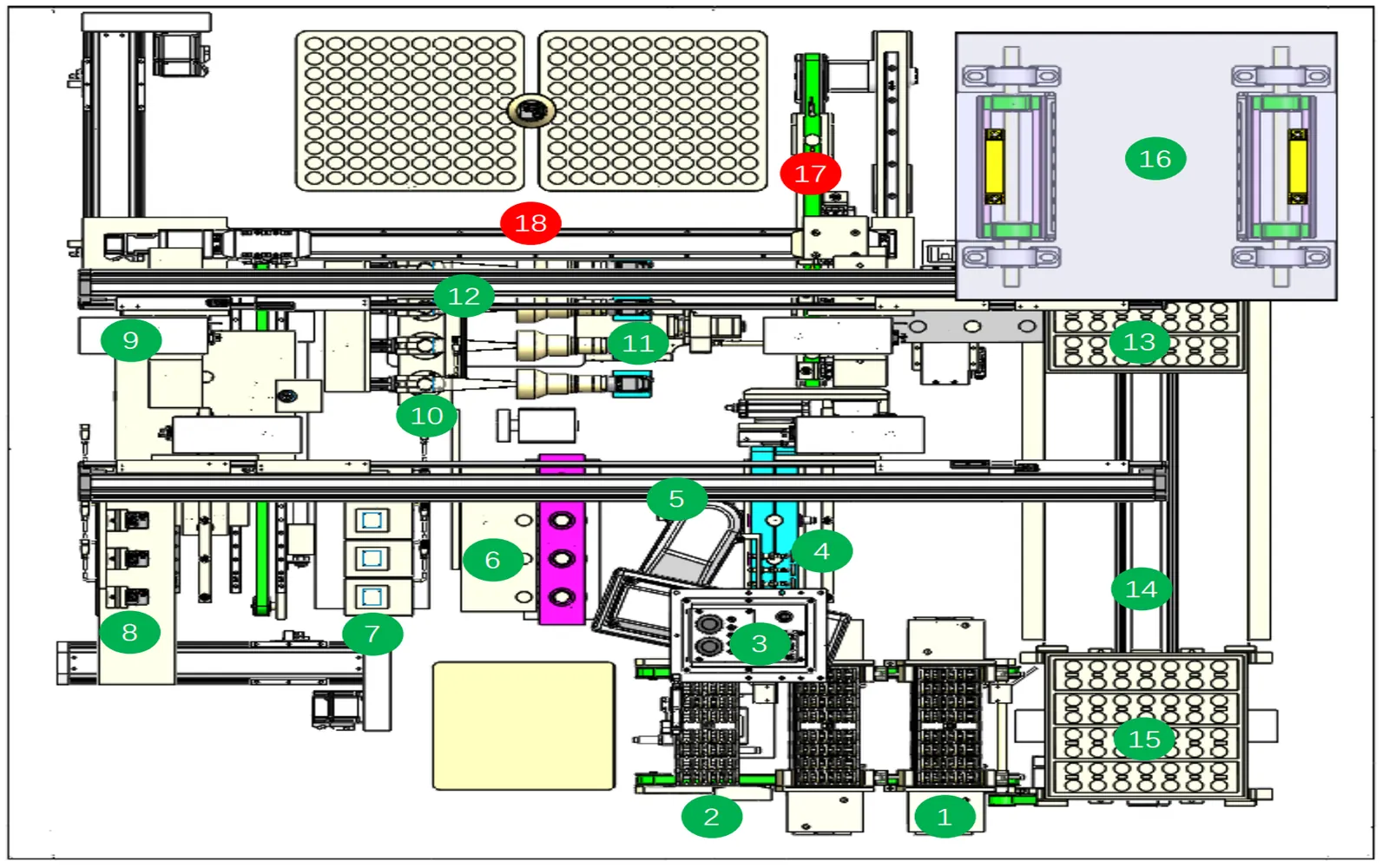
On the industry side, I worked as an automation engineer and designed production AOI (Automated Optical Inspection) equipment for Texas Instruments semiconductor products at Dinnar Automation, co-designed standardized multi-robot assembly workstations for harmonic reducer production with EtherCAT real-time control and digital twin systems at CloudMinds Robotics, and developed sim-to-real transfer pipelines for autonomous driving at NIO Automobile.
Multi-modal sequential policies fuse proprioception, vision, and auxiliary modalities by concatenating them into a shared processing sequence — yet on a contact-rich nut-threading task, naïve raw-force concatenation reduces success rate by 32 percentage points compared to ignoring force entirely. We show that FiLM side-channel conditioning bypasses competitive normalization in self-attention and LSTM gating layers, restoring force utility (+17 pp on NutThread, non-overlapping 95% CIs). To diagnose suppression post-hoc without retraining, we introduce Rcontact, a contact-sensitivity ratio via Integrated Gradients that reliably distinguishes suppressed (≈1×) from functional (3.0–3.7×) architectures. Validated across 5 contact-rich tasks on two simulators (robosuite imitation learning + Isaac Lab Factory reinforcement learning).
Diffusion policies have become the dominant paradigm for learned robotic manipulation, yet they offer no intrinsic mechanism to enforce workspace safety constraints. TACS is a training-free method that injects barrier-function guidance into the DDIM denoising loop of action-space diffusion policies, applying repulsive guidance on the Tweedie-predicted end-effector positions; subsequent denoising steps coherently adapt rotation and gripper dimensions, achieving effective obstacle avoidance at 10× smaller guidance scales than post-hoc potential-field projection. On three robosuite manipulation tasks, TACS Pareto-dominates post-hoc filtering, with a statistically significant win-win on Lift (violations 6.6% → 0.32%, 20× reduction; p=0.015 across 5 seeds × 250 episodes) and zero measurable inference overhead versus the unmodified diffusion policy.
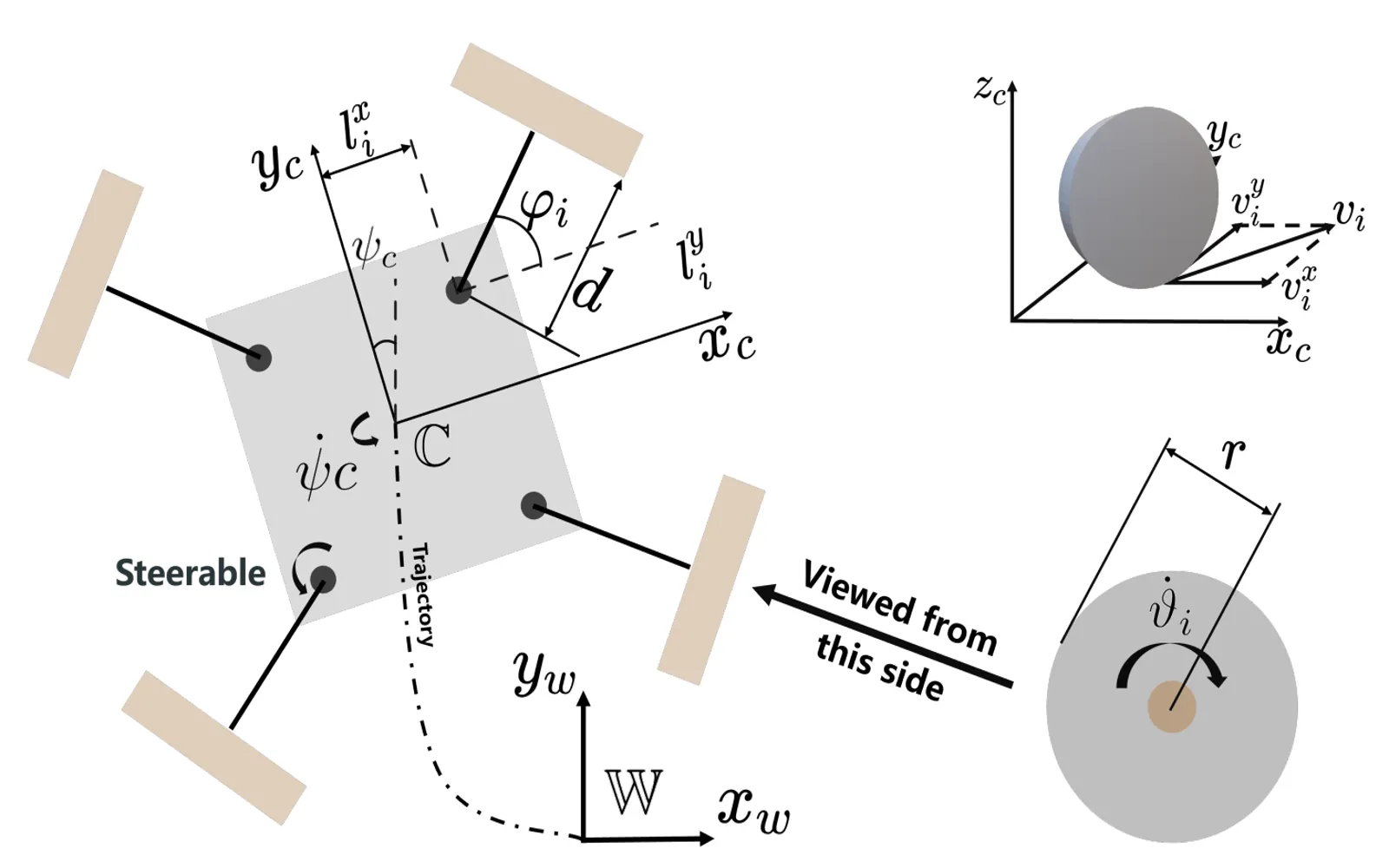
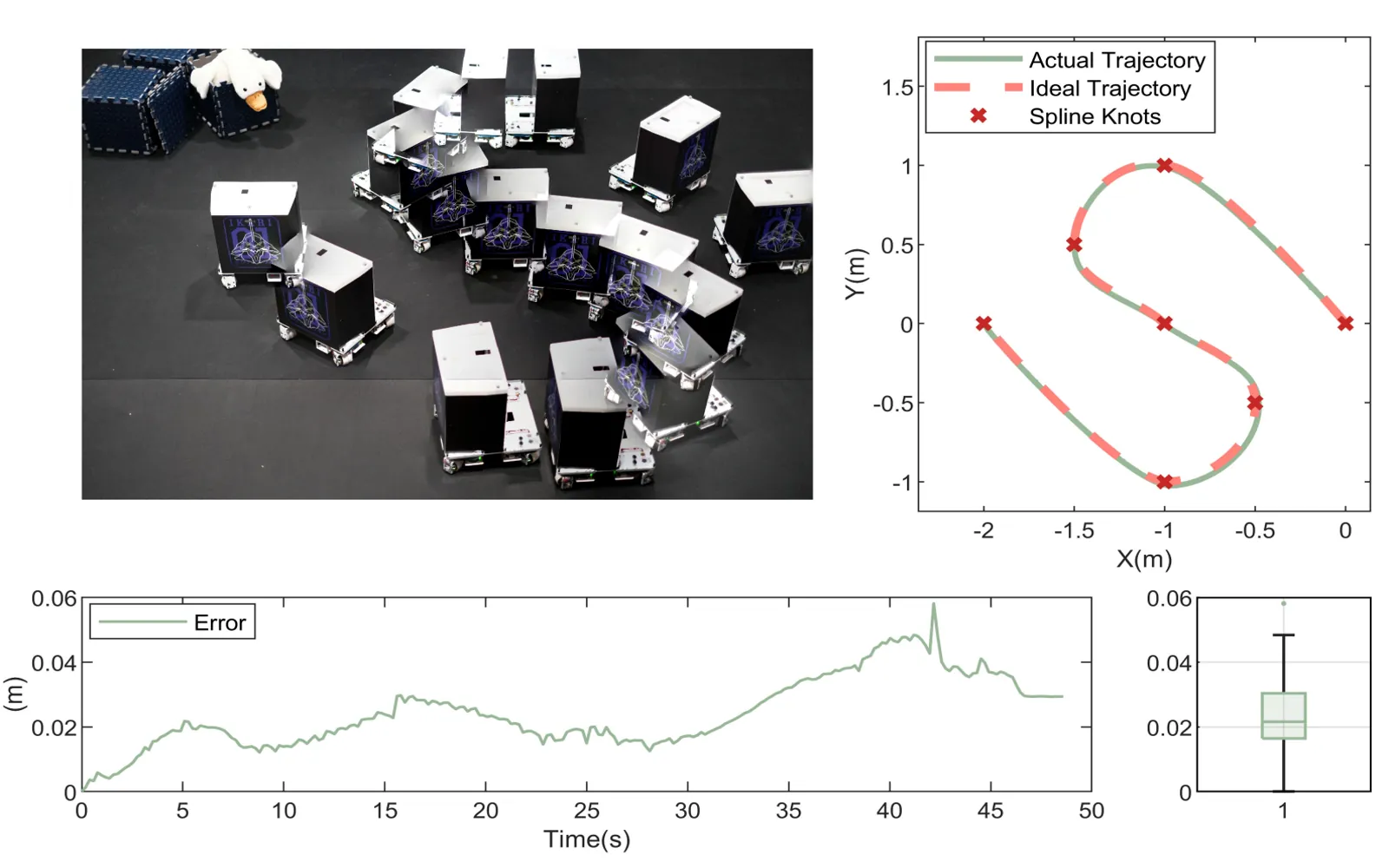
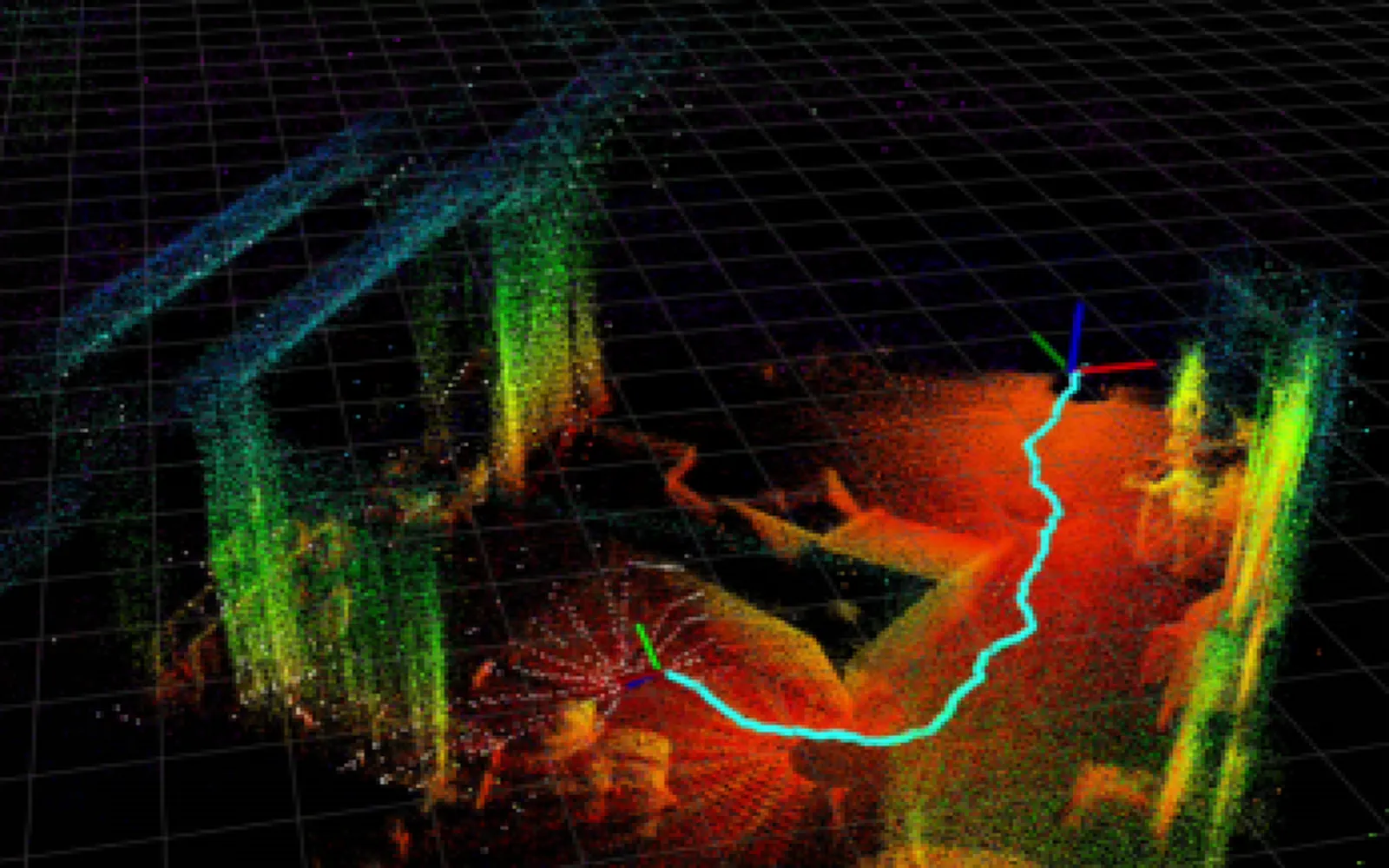
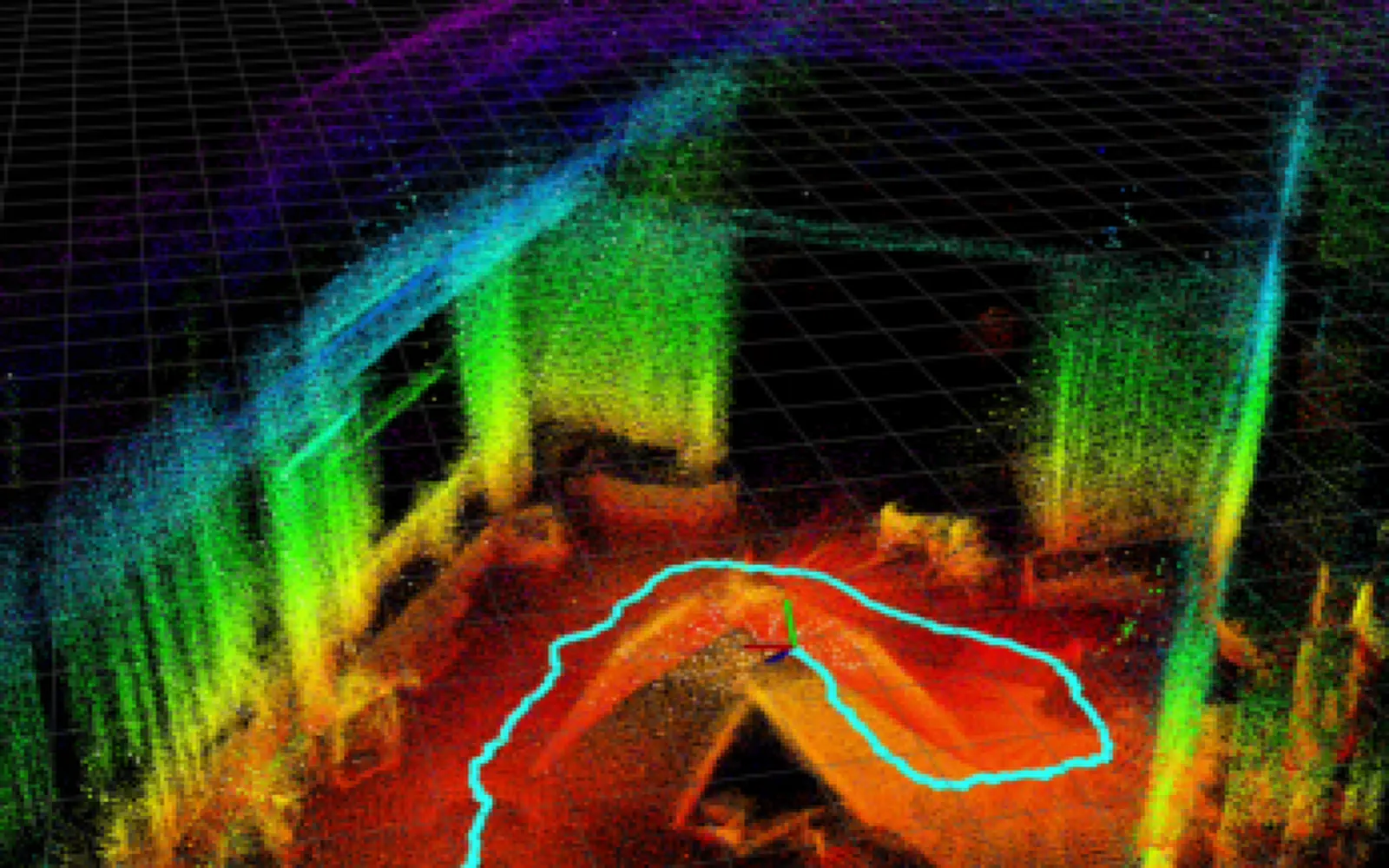
This paper presents a robust distributed odometry framework for mobile robots equipped with steerable wheels, fusing wheel encoder and IMU measurements through a factor-graph optimization backend for accurate real-time localization.
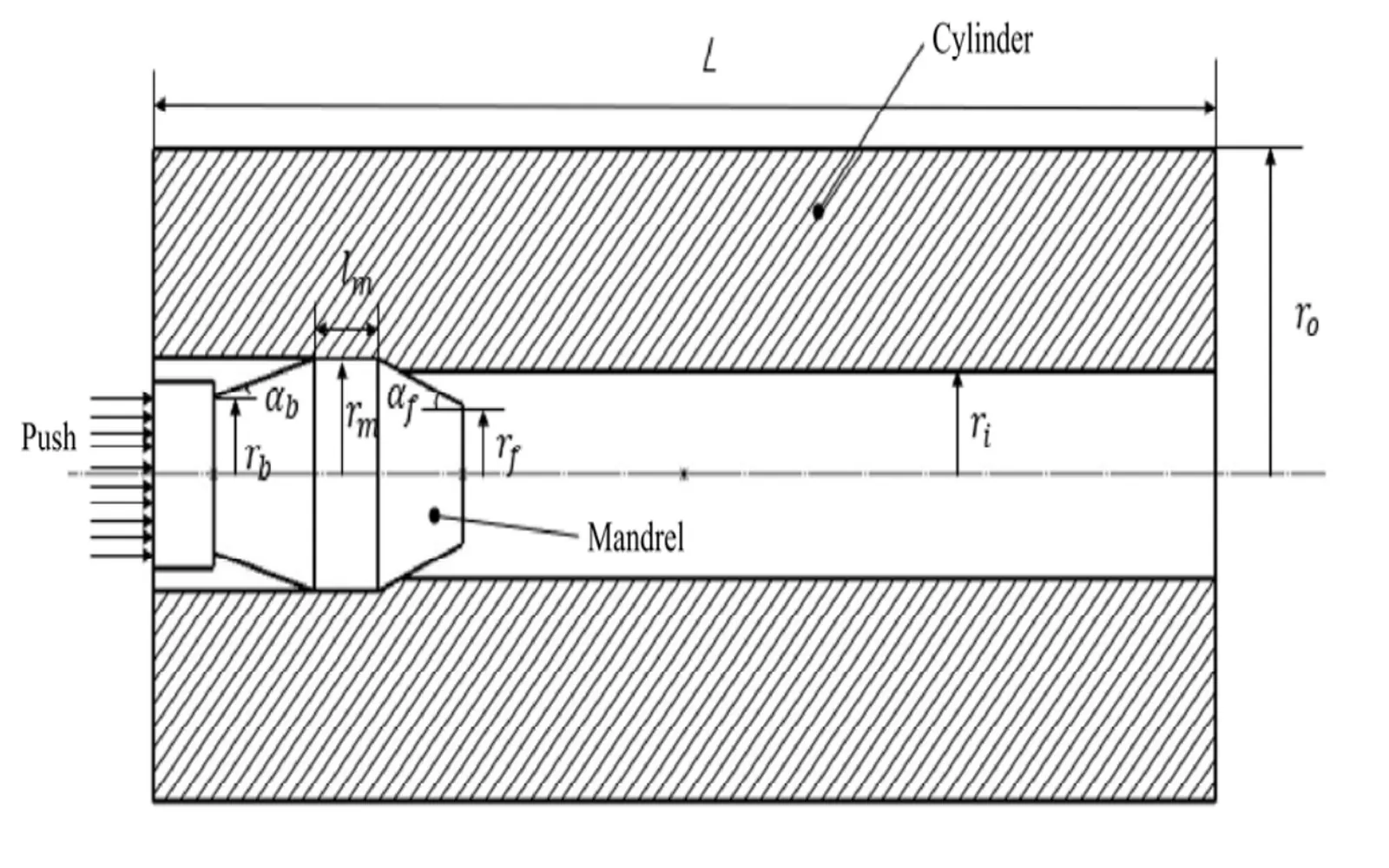
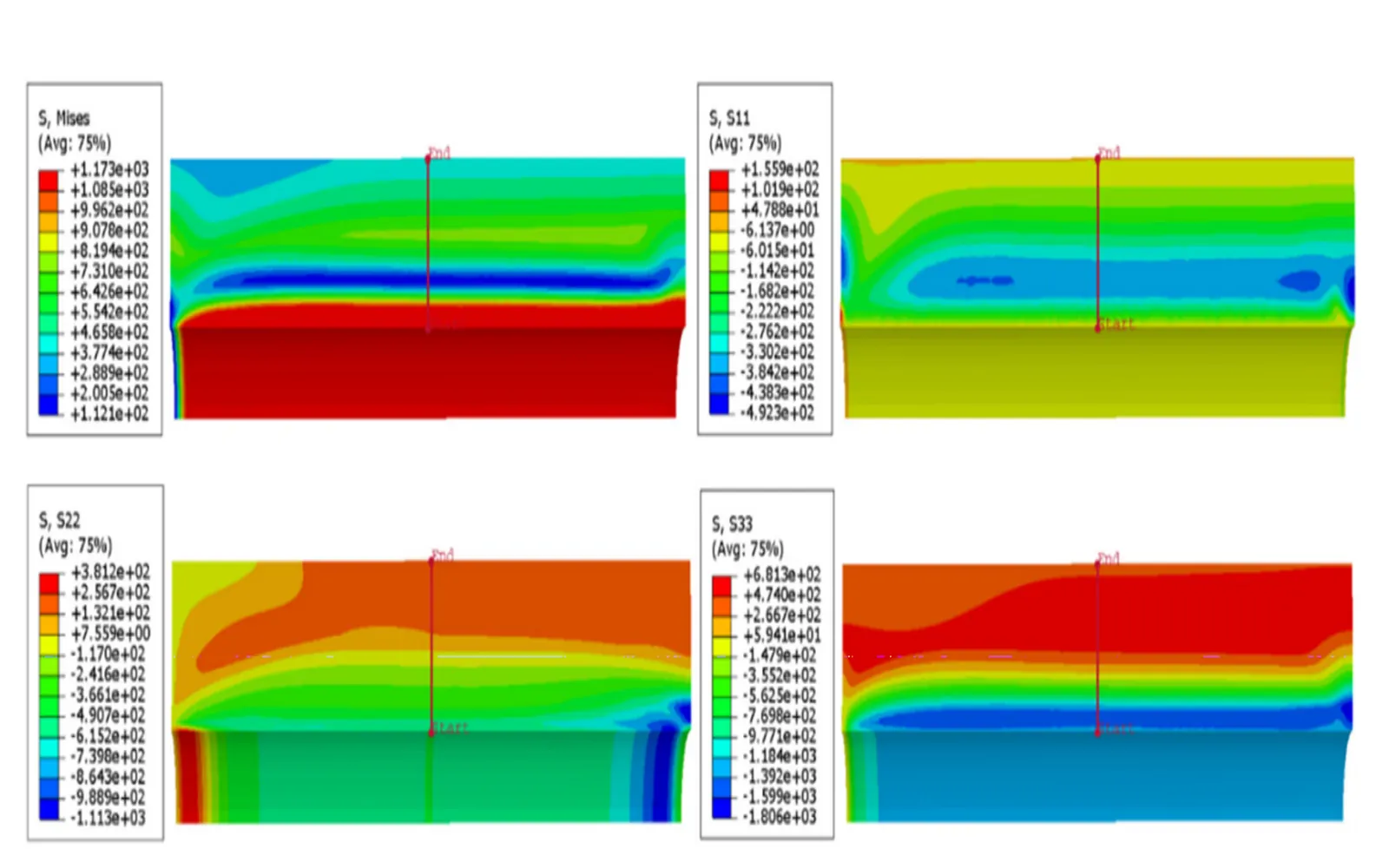
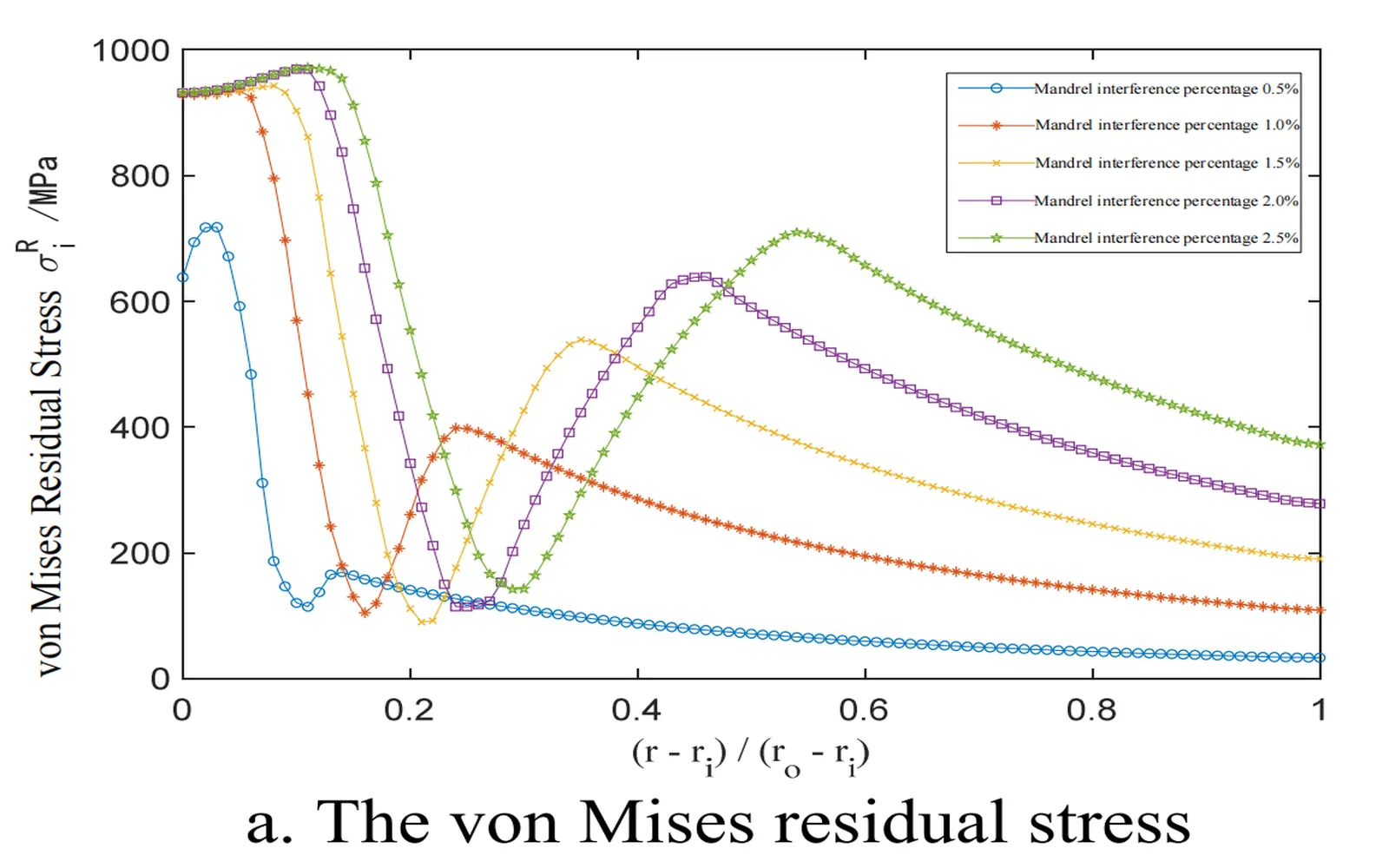
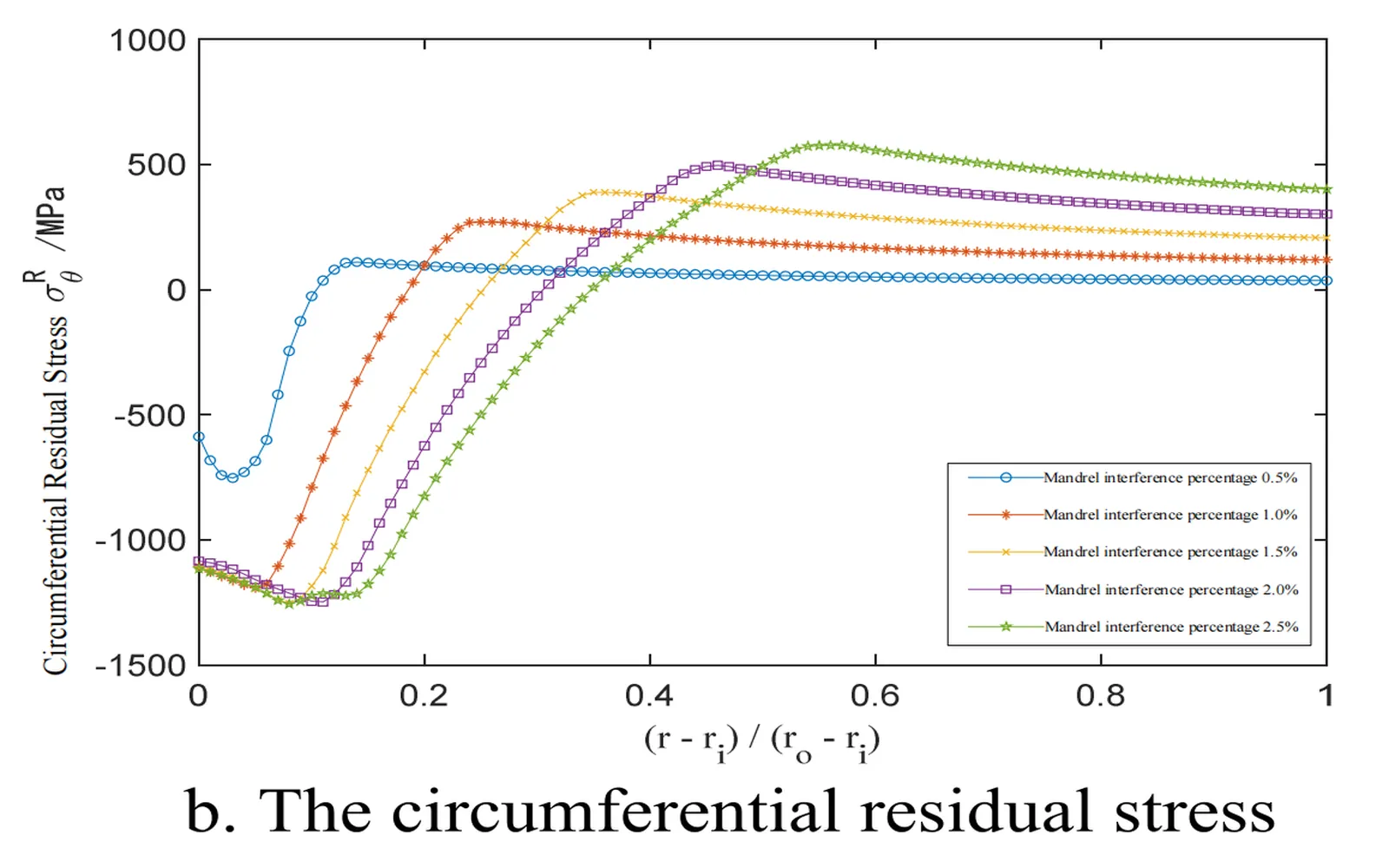
This study investigates the residual stress distribution in swage autofrettage-processed high-pressure cylinders through finite element simulation, analyzing the effects of mandrel interference percentage on von Mises and circumferential residual stresses to optimize cylinder fatigue life.
@article{sun2023simulation,
title={Simulation Research on Residual Stress of Swage
Autofrettage-processed High-Pressure Cylinder},
author={Sun, L. and Zhou, R. and Li, G. and Li, J. and Mitrouchev, P.},
journal={J. Phys.: Conf. Ser.},
volume={2587},
pages={012088},
year={2023}
}
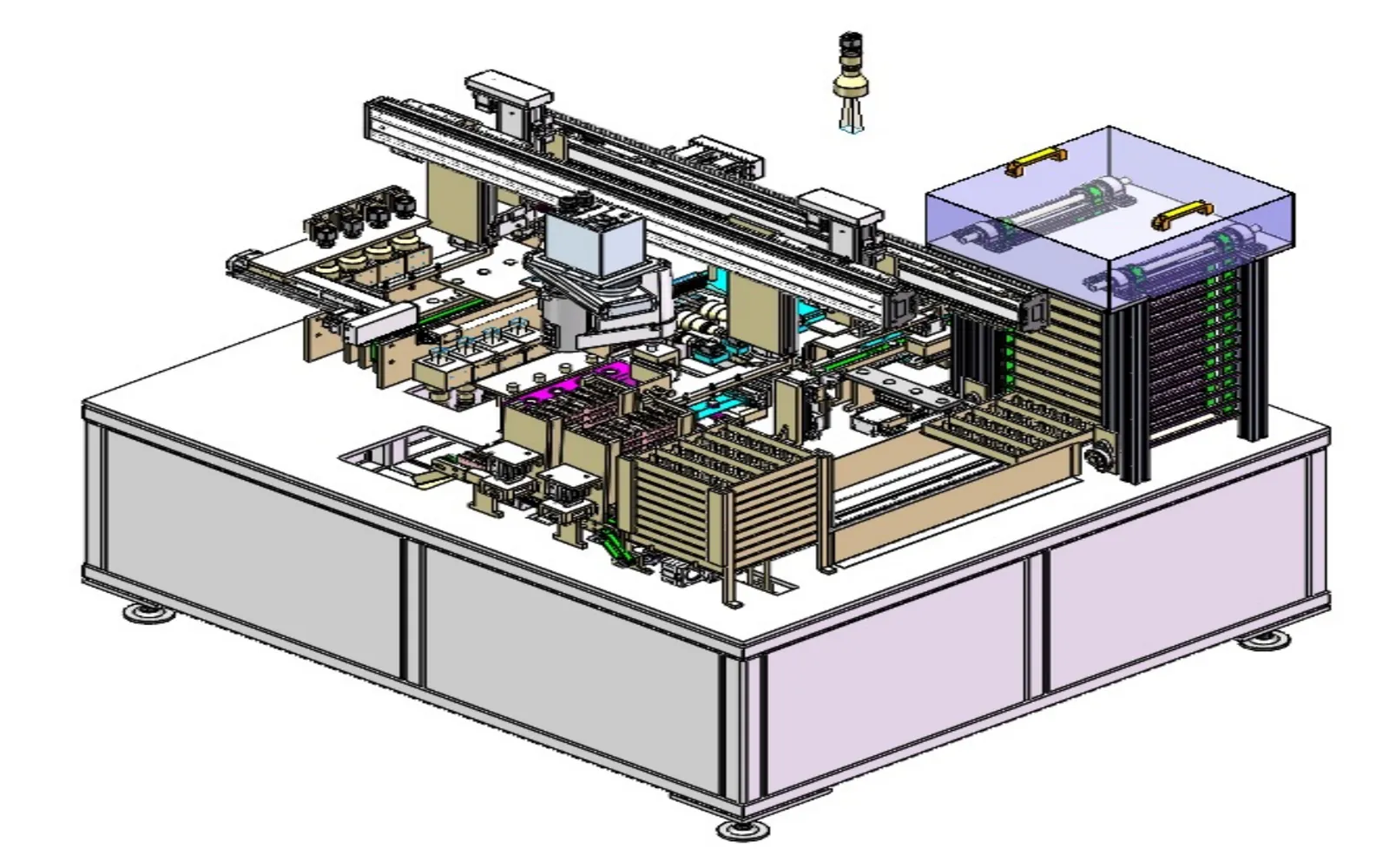
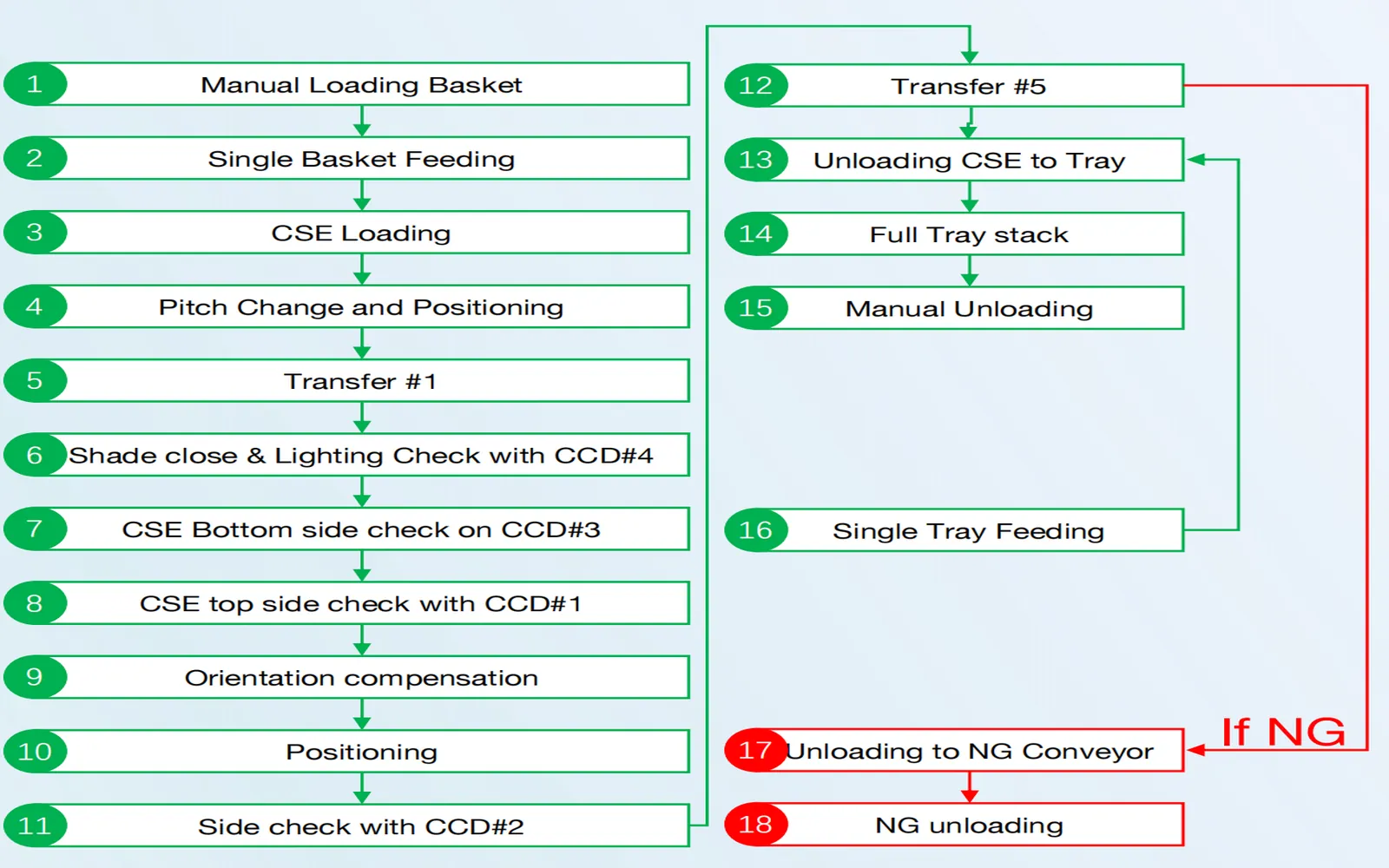
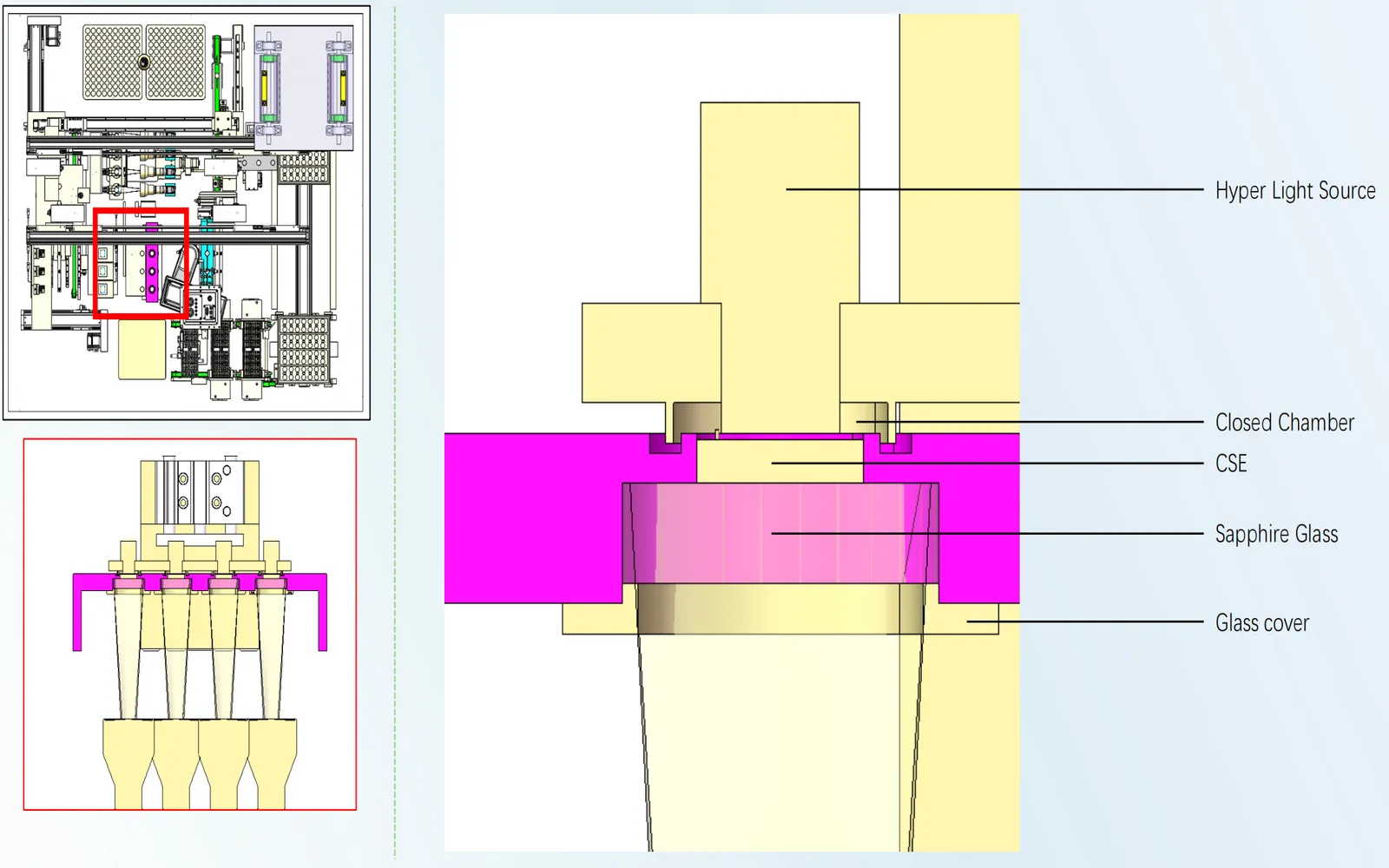
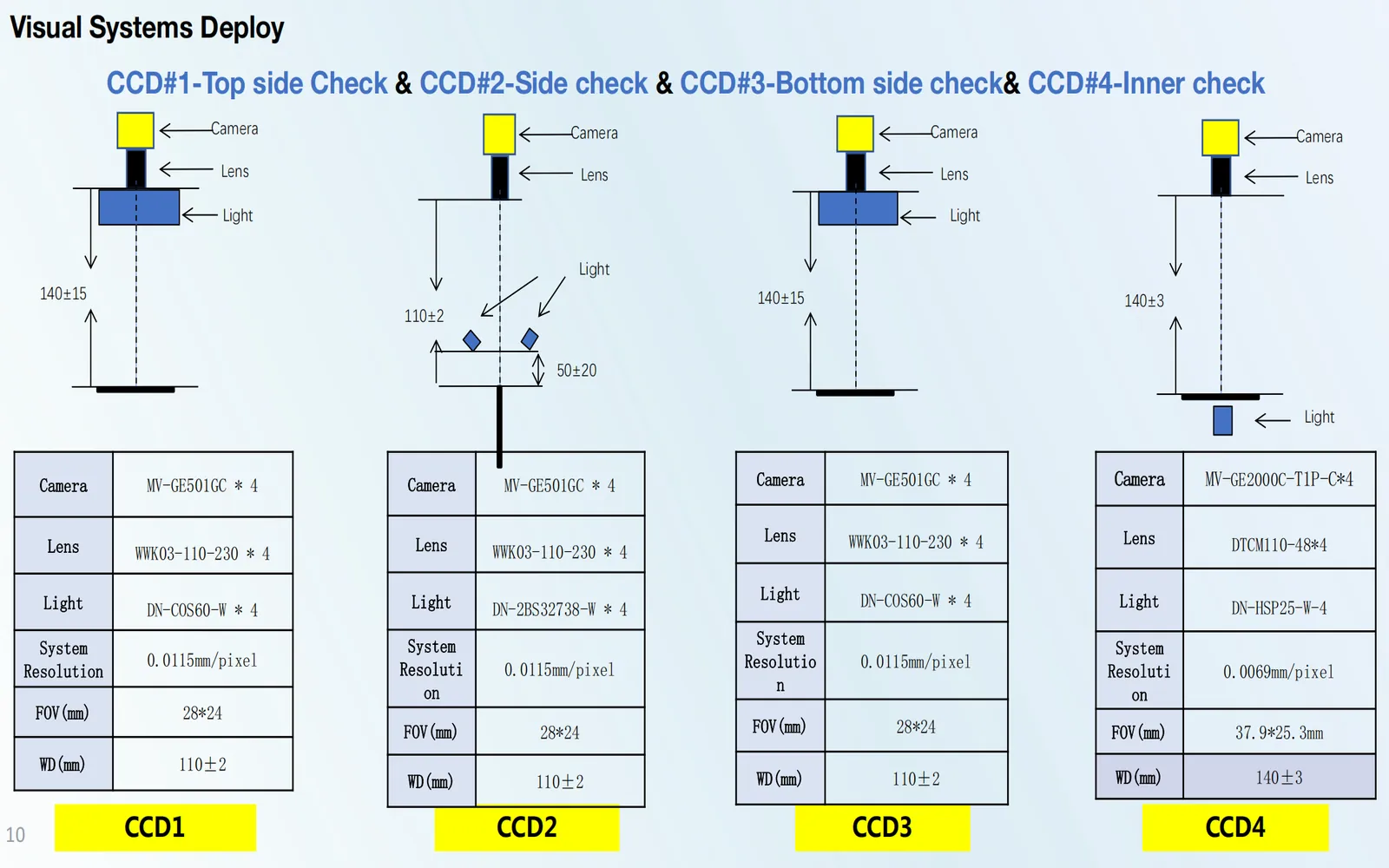
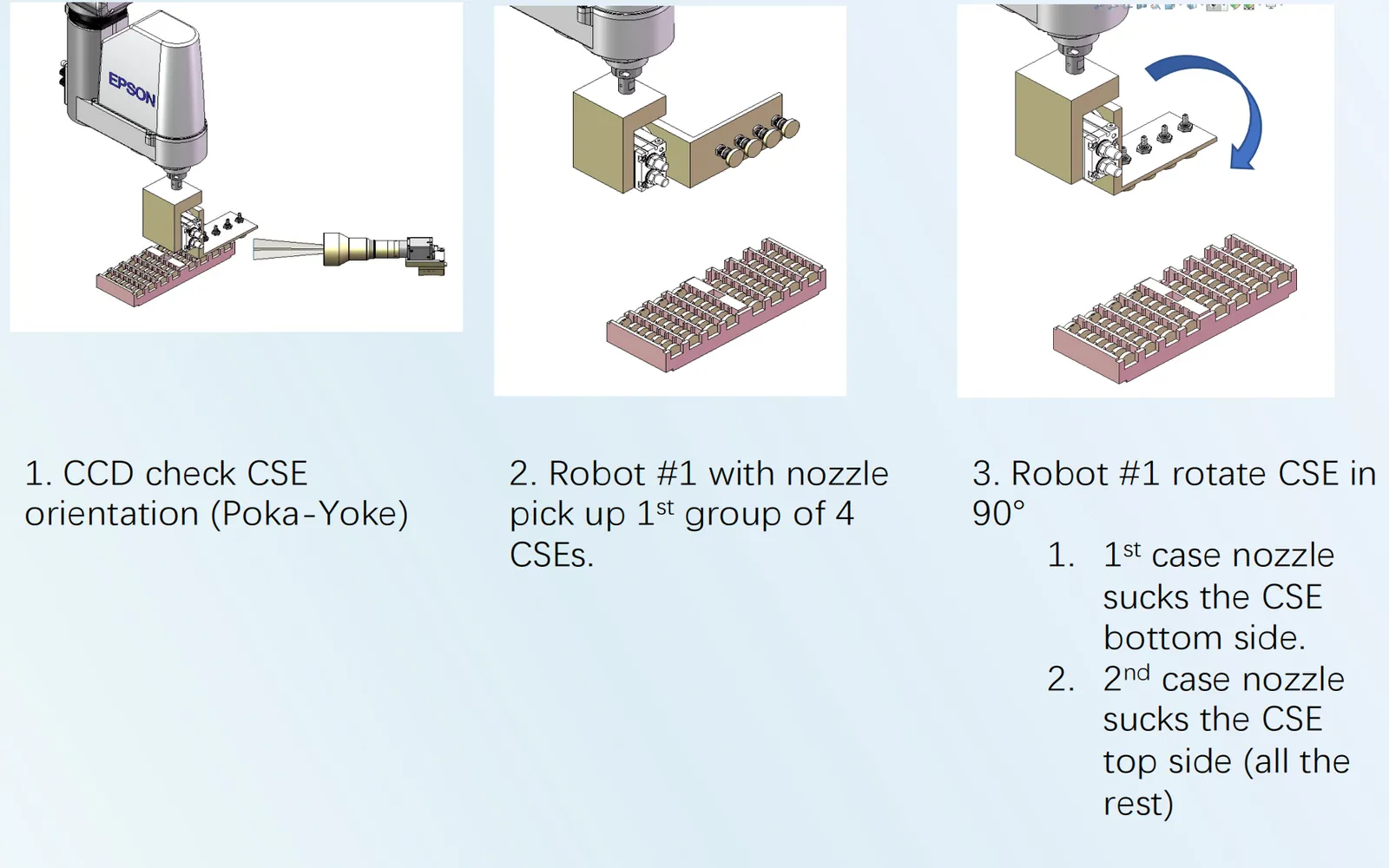
Designed and delivered a production AOI (Automated Optical Inspection) system for Texas Instruments CSE semiconductor products at Dinnar Automation. The system uses 4 industrial CCD cameras (MV-GE501GC) with multi-angle illumination to inspect 19 defect categories including epoxy exposure, pin missing, contamination, and marking defects, achieving 100% detection rate at >85K units/day throughput.
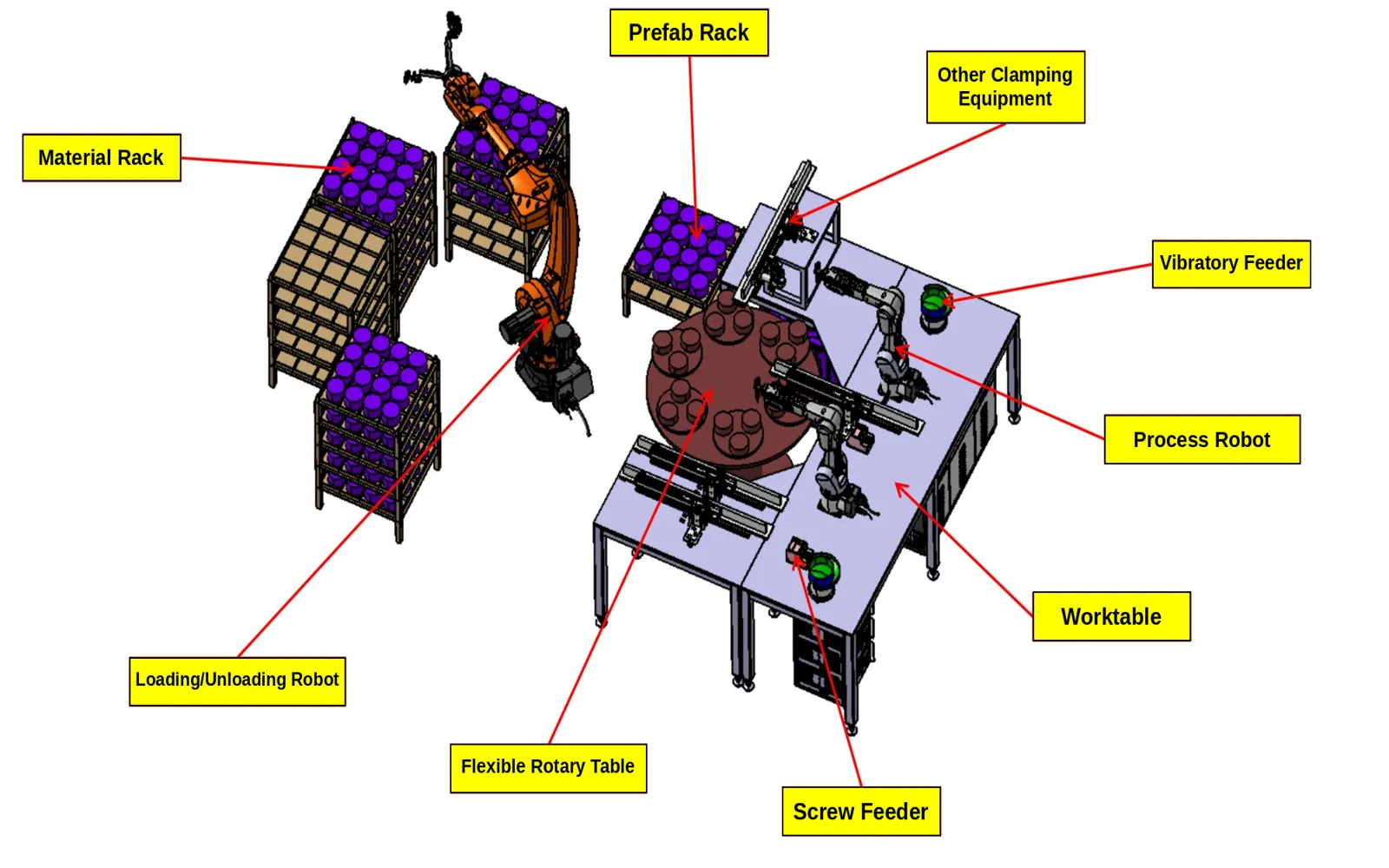
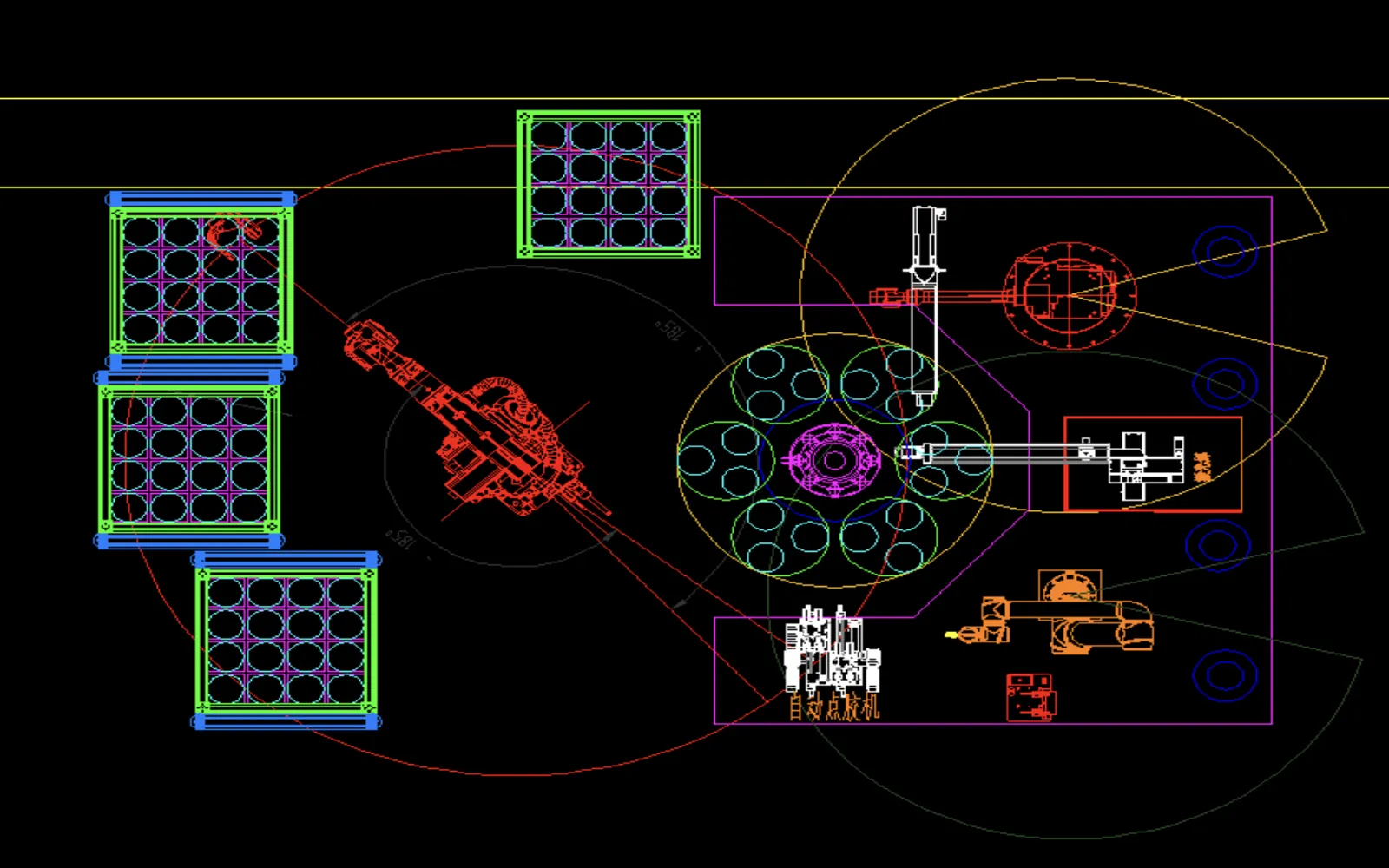
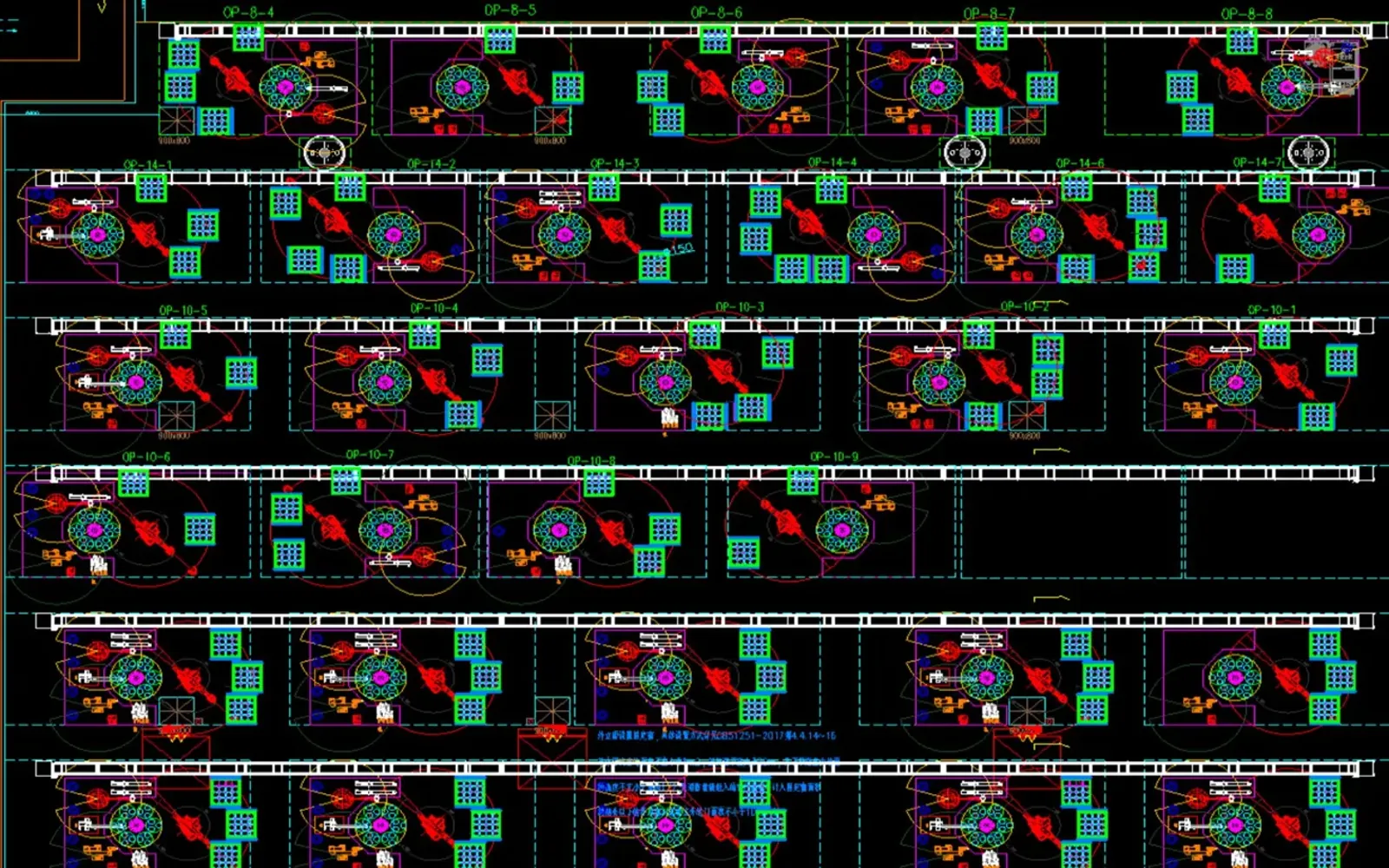
Developed EtherCAT master module with 1 kHz F/T sensor synchronization at CloudMinds Robotics, reducing joint control cycle from 20 ms to 12 ms (40%). Co-designed standardized multi-robot assembly workstations for harmonic reducer production with digital twin systems. Deployed data-driven impedance controller on UR5e with 42% vibration reduction.
Co-designed the full-stack "Fines" robotic platform at SJTU IWIN-FINS Lab: hardware architecture (steerable wheeled chassis), embedded control framework (FineMote, 1 ms cycle), and perception pipeline (FineVision with LiDAR + IMU fusion). The platform enabled experimental validation for the IROS 2025 paper on distributed odometry.
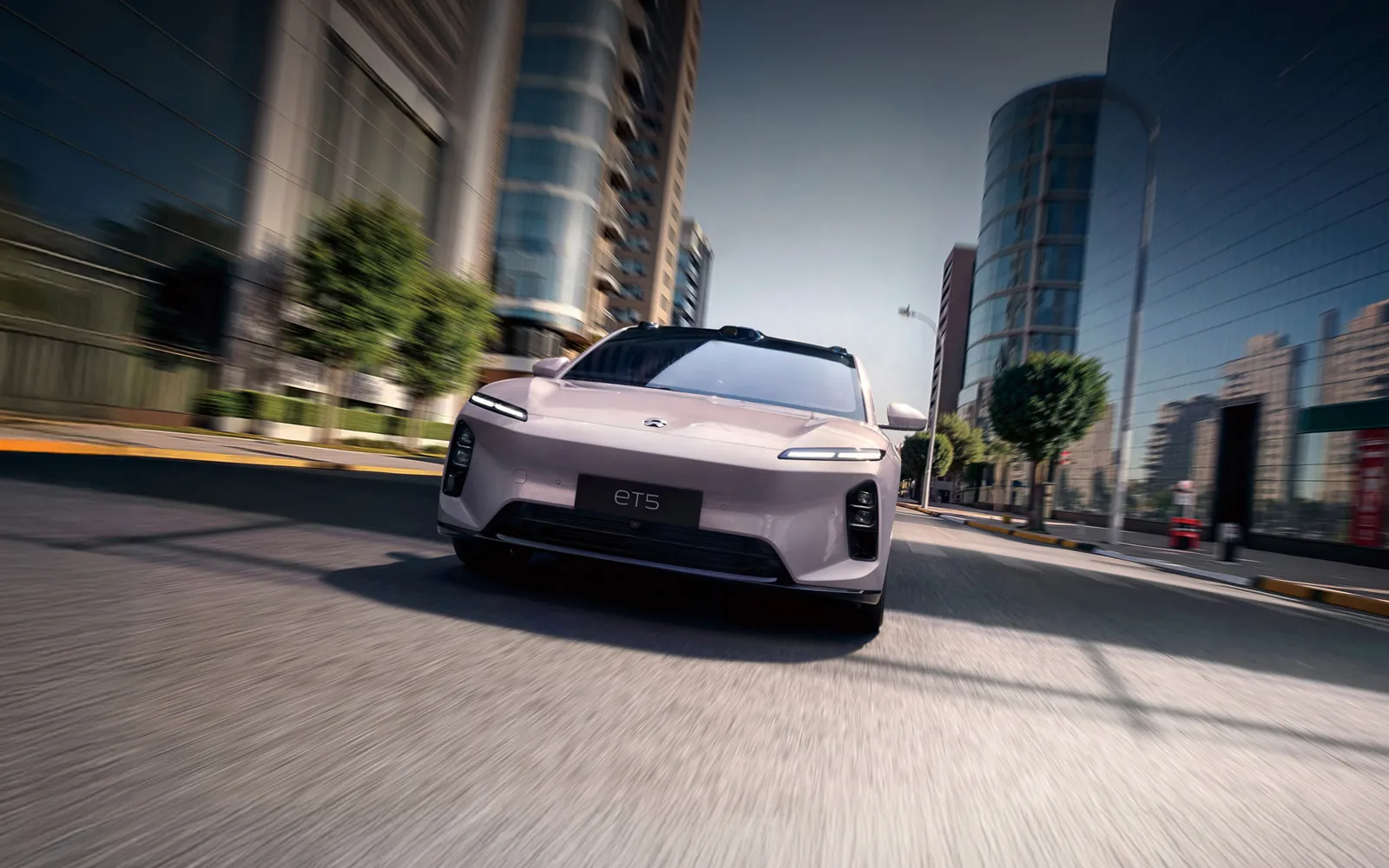
Built GAN-based CAN FD signal synthesizer (5× augmented data, +35% ECU test coverage) and gradient reversal domain adaptation pipeline (CARLA→NIO ET5) at NIO Autonomous Driving, reducing lateral control error by 37% in production vehicle road tests.
Open-source 65-tool MCP server bridging MuJoCo physics simulation with AI assistants via natural language. Supports trajectory optimization (iLQR, MPPI), inverse kinematics, domain randomization, and RL environment integration for 50+ robot models from MuJoCo Menagerie.
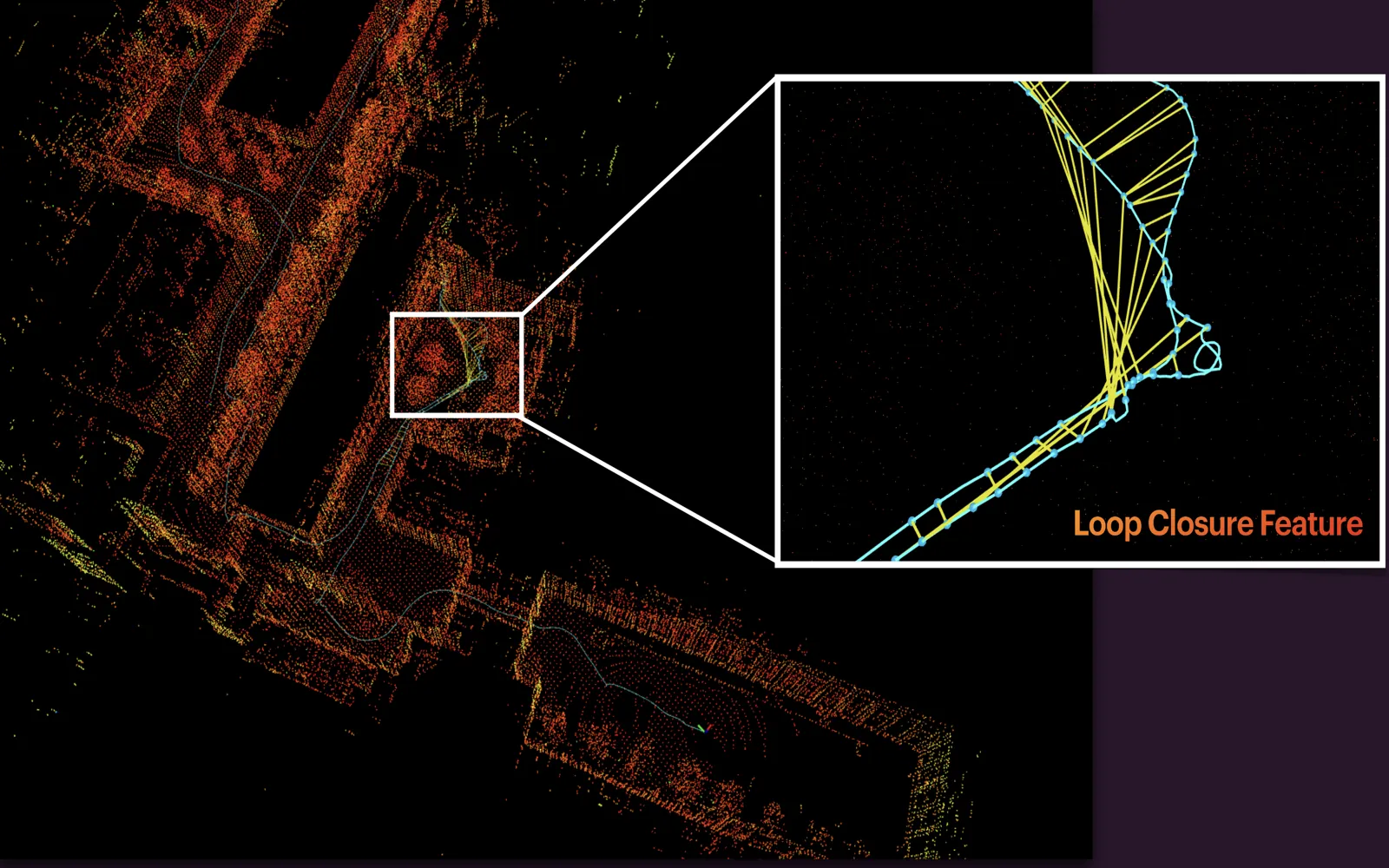
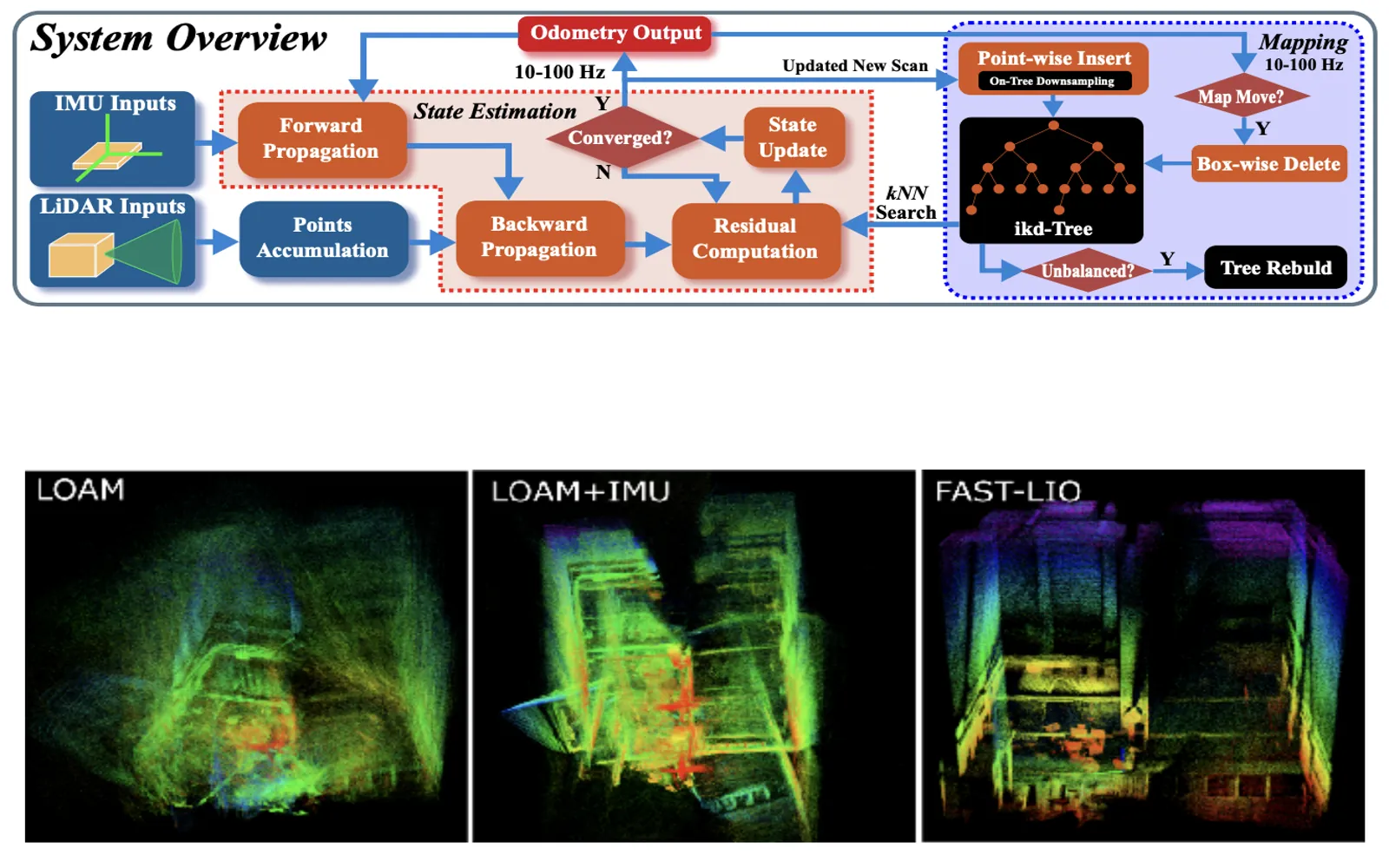
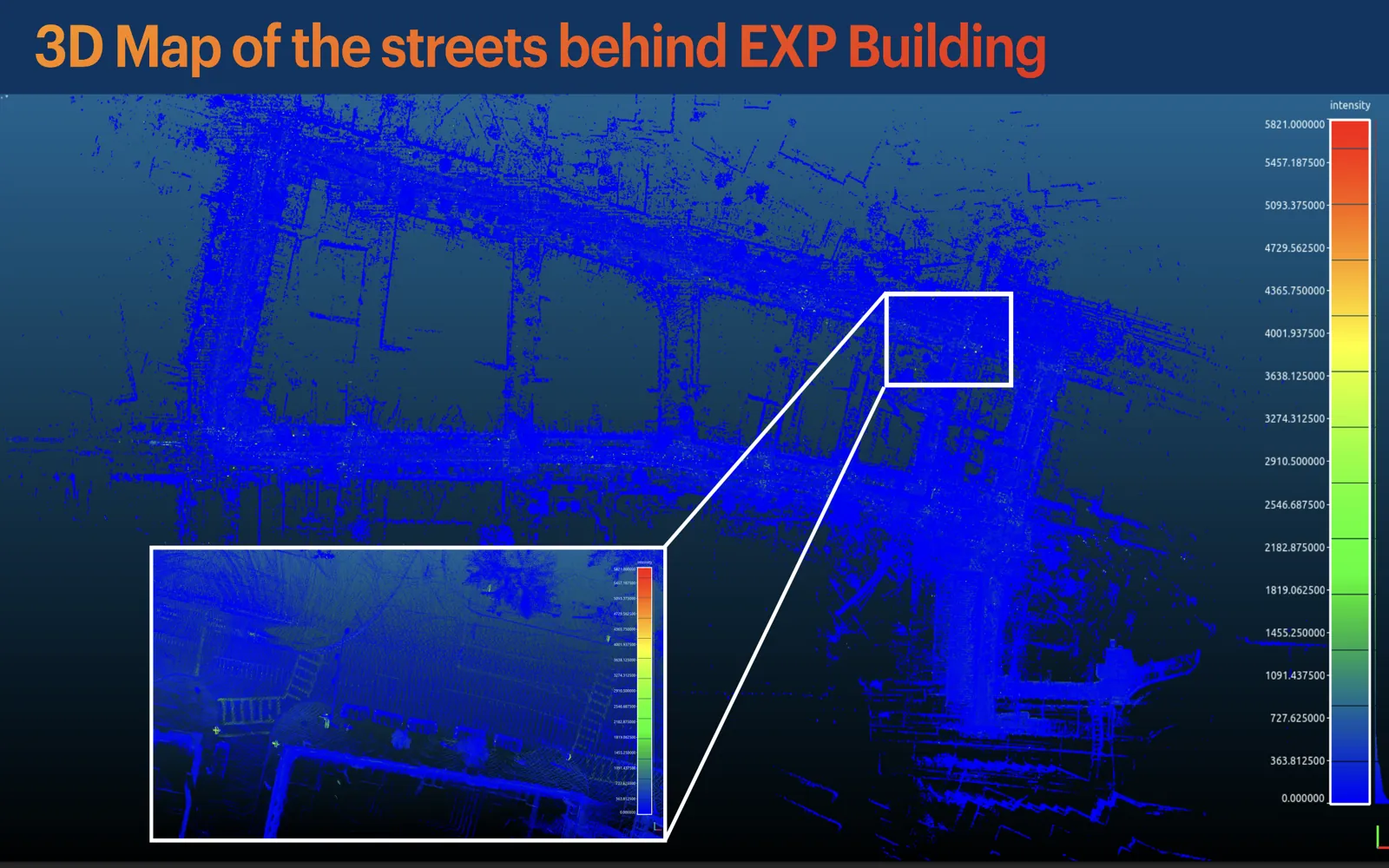
Benchmarked FAST-LIO vs. LIO-SAM on real-world driving datasets collected with Northeastern's NUance autonomous vehicle platform. Integrated FAST-LIO-LC for loop closure drift correction over long trajectories, achieving consistent sub-meter accuracy.