I am currently a graduate research assistant at the CRAFT Lab, Northeastern University, advised by Prof. Gilbert Yang Ye. My research focuses on safe, physically-grounded robot manipulation — building learned policies that respect safety constraints and genuinely exploit the sensory inputs they are given.
Before joining CRAFT Lab, I worked as a research assistant at SJTU IWIN-FINS Lab advised by Prof. Jianping He, where I co-designed the full-stack Fines robotic platform, covering hardware architecture, embedded control framework, and perception pipeline.
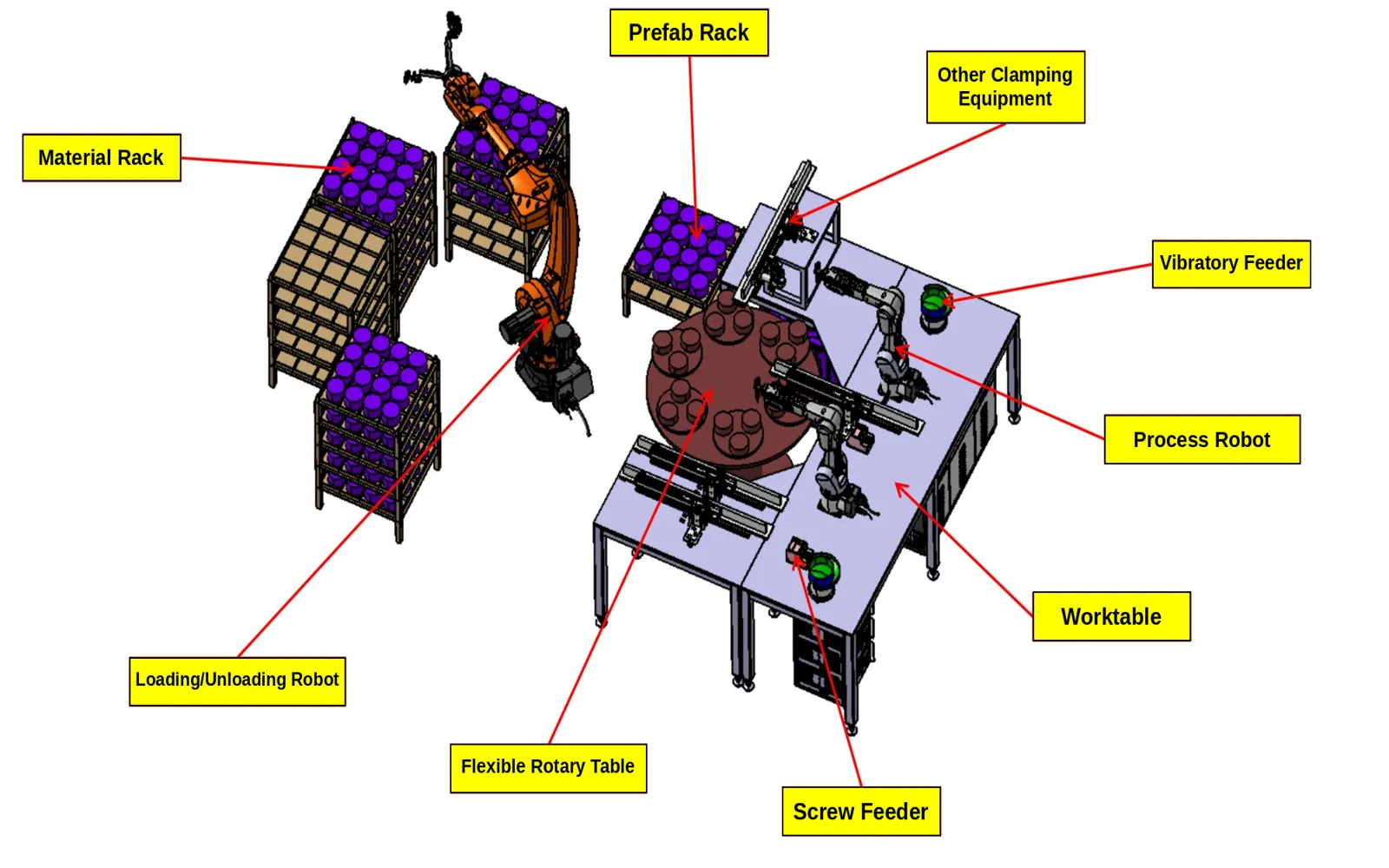
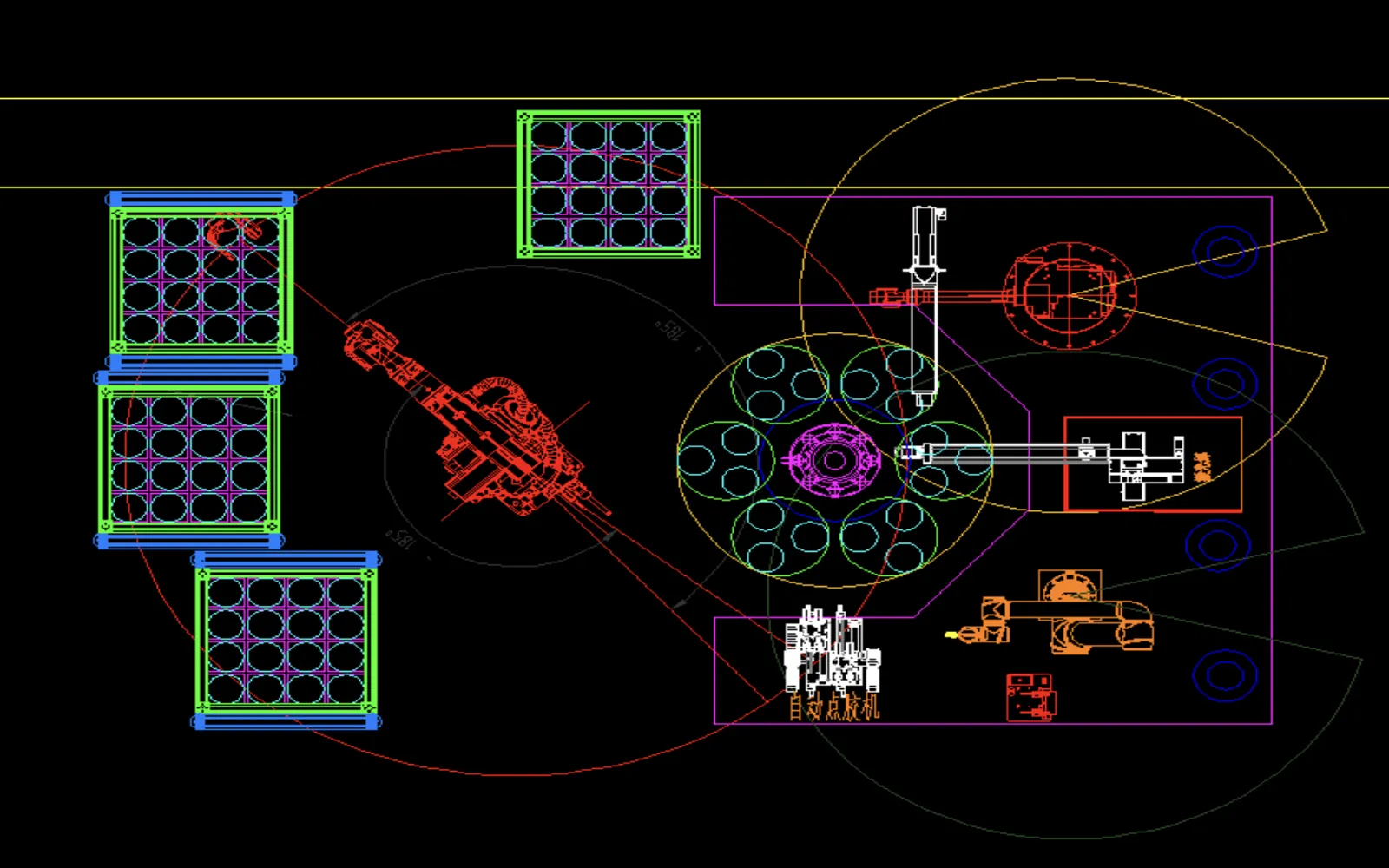
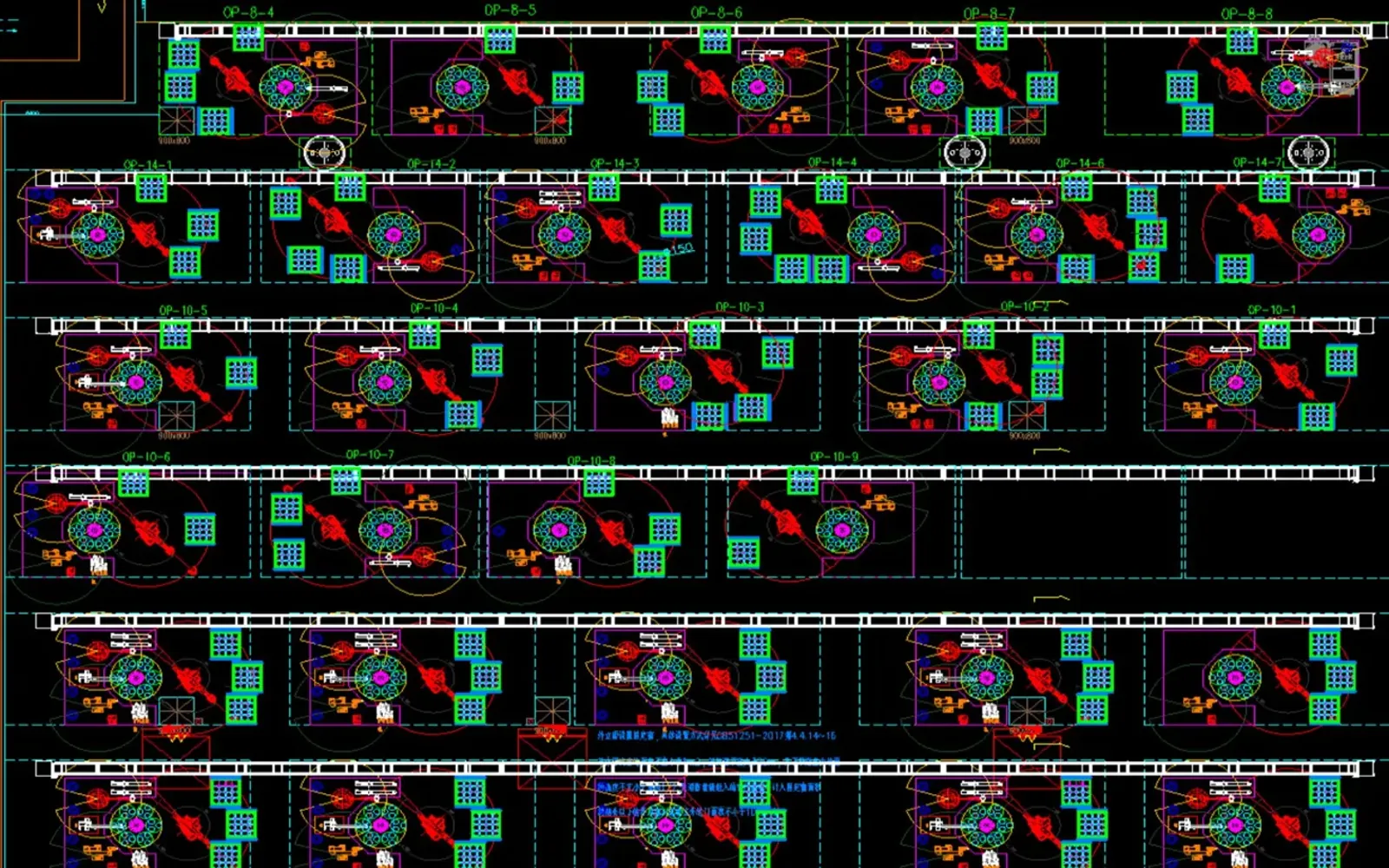
On the industry side, I built production robotics and automation systems. At Dinnar Automation, I designed automated optical inspection (AOI) equipment for Texas Instruments semiconductor products. At CloudMinds Robotics, I co-designed standardized multi-robot assembly workstations for harmonic-reducer production, with EtherCAT real-time control and digital-twin systems. At NIO Automobile, I developed sim-to-real transfer pipelines for autonomous driving.
A learned world model provides a powerful physical intuition for evaluating future states. But its effectiveness in continuous control also depends critically on how candidate actions are generated for model-based planning. Rather than solely asking how accurately a model can simulate the future, we ask: which candidate actions are worth evaluating in the first place? Existing planners typically search arbitrarily or use expert demonstrations only to initialize a sampling mean, discarding the expert's state-conditioned confidence. Properly guiding this search requires a robust action prior, yet current approaches often rely on independent visual encoders or large-scale VLMs to obtain one. We argue that this architectural bloat is unnecessary: the exact same data — and the learned representations of the world model itself — inherently encode the agent's action intuition. We introduce PRISM, a task-agnostic framework that extracts both from a single dataset while maintaining strict architectural simplicity. Building on a standard JEPA-style latent world model, PRISM attaches a lightweight MLP directly to its frozen encoder to predict a state-conditioned Gaussian prior. At plan time, PRISM fuses this prior into the planner's sampling distribution via a precision-weighted Product-of-Gaussians update. This parameter-free, closed-form integration steers the sampling process, making the prior confident where it is and ceding control where it is not. PRISM improves success rates by 35 percentage points over vanilla world-model-based MPC on Cube and 32 percentage points on PushT, without introducing significant inference overhead.
Multi-modal sequential policies fuse proprioception, vision, and auxiliary modalities by concatenating them into a shared processing sequence — yet on a contact-rich nut-threading task, naïve raw-force concatenation reduces success rate by 32 percentage points compared to ignoring force entirely. We show that FiLM side-channel conditioning bypasses competitive normalization in self-attention and LSTM gating layers, restoring force utility (+17 pp on NutThread, non-overlapping 95% CIs). To diagnose suppression post-hoc without retraining, we introduce Rcontact, a contact-sensitivity ratio via Integrated Gradients that reliably distinguishes suppressed (≈1×) from functional (3.0–3.7×) architectures. Validated across 5 contact-rich tasks on two simulators (robosuite imitation learning + Isaac Lab Factory reinforcement learning).
Diffusion policies have become the dominant paradigm for learned robotic manipulation, yet they offer no intrinsic mechanism to enforce workspace safety constraints. TACS is a training-free method that injects barrier-function guidance into the DDIM denoising loop of action-space diffusion policies, applying repulsive guidance on the Tweedie-predicted end-effector positions; subsequent denoising steps coherently adapt rotation and gripper dimensions, achieving effective obstacle avoidance at 10× smaller guidance scales than post-hoc potential-field projection. On three robosuite manipulation tasks, TACS Pareto-dominates post-hoc filtering, with a statistically significant win-win on Lift (violations 6.6% → 0.32%, 20× reduction; p=0.015 across 5 seeds × 250 episodes) and zero measurable inference overhead versus the unmodified diffusion policy.
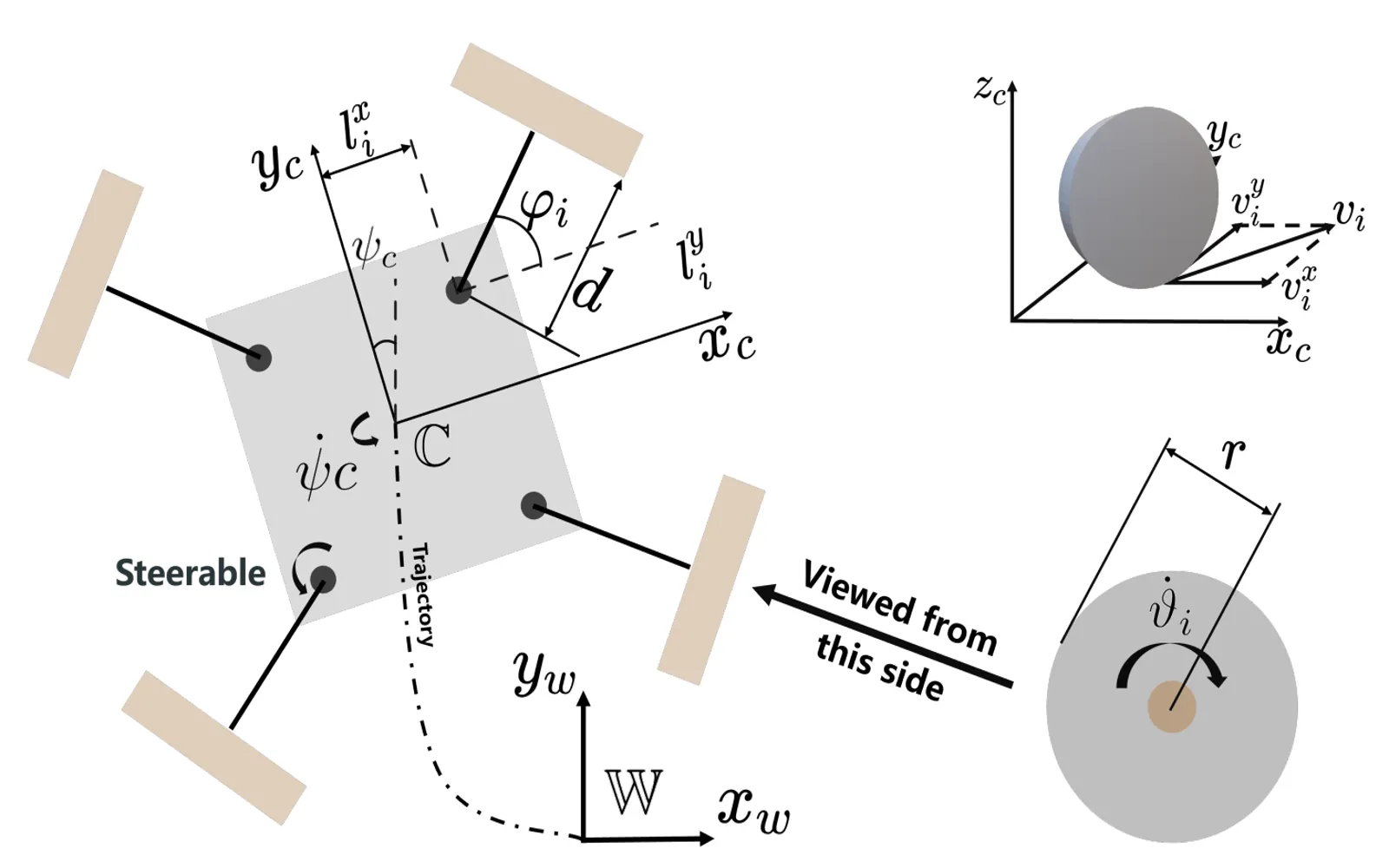
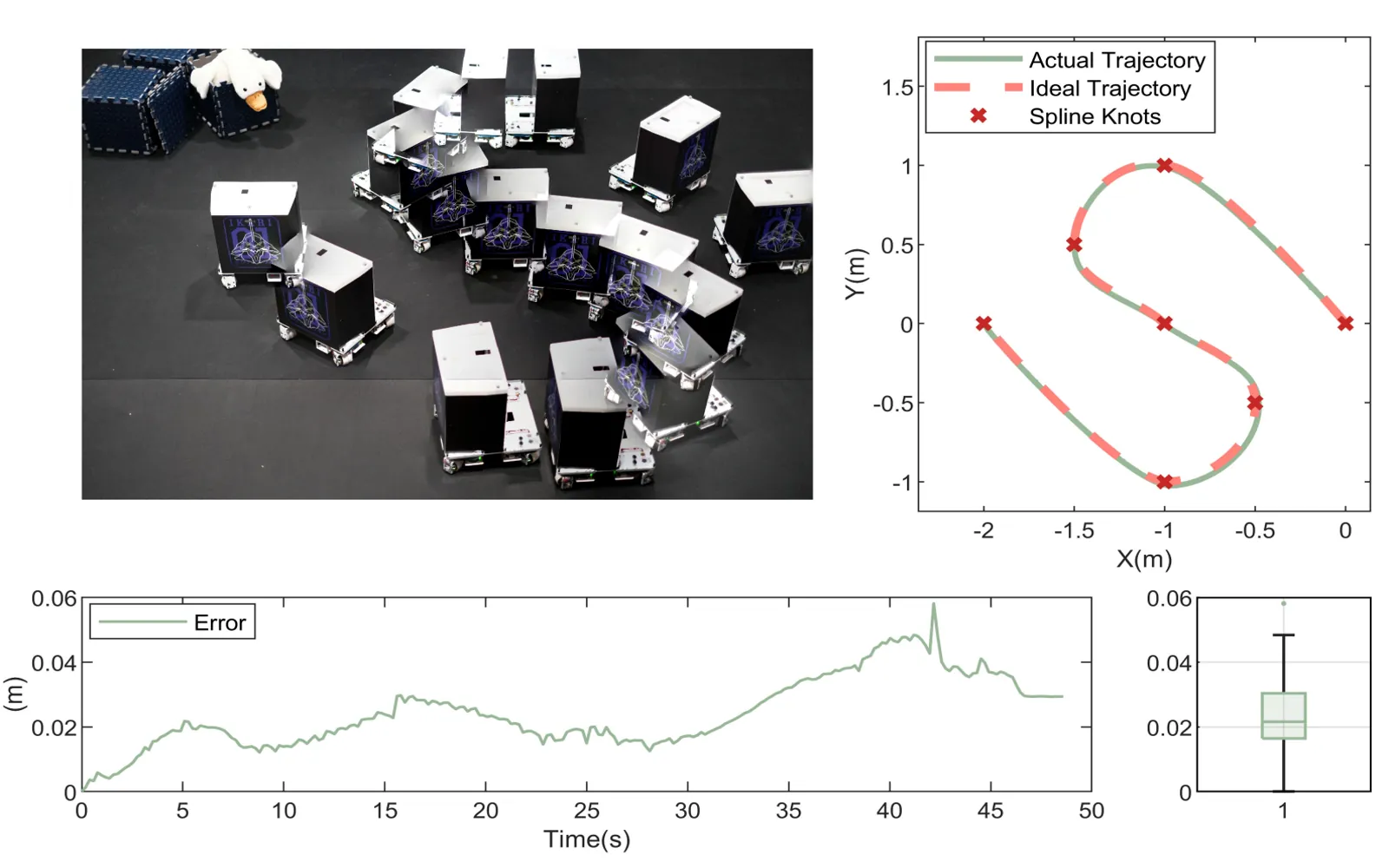
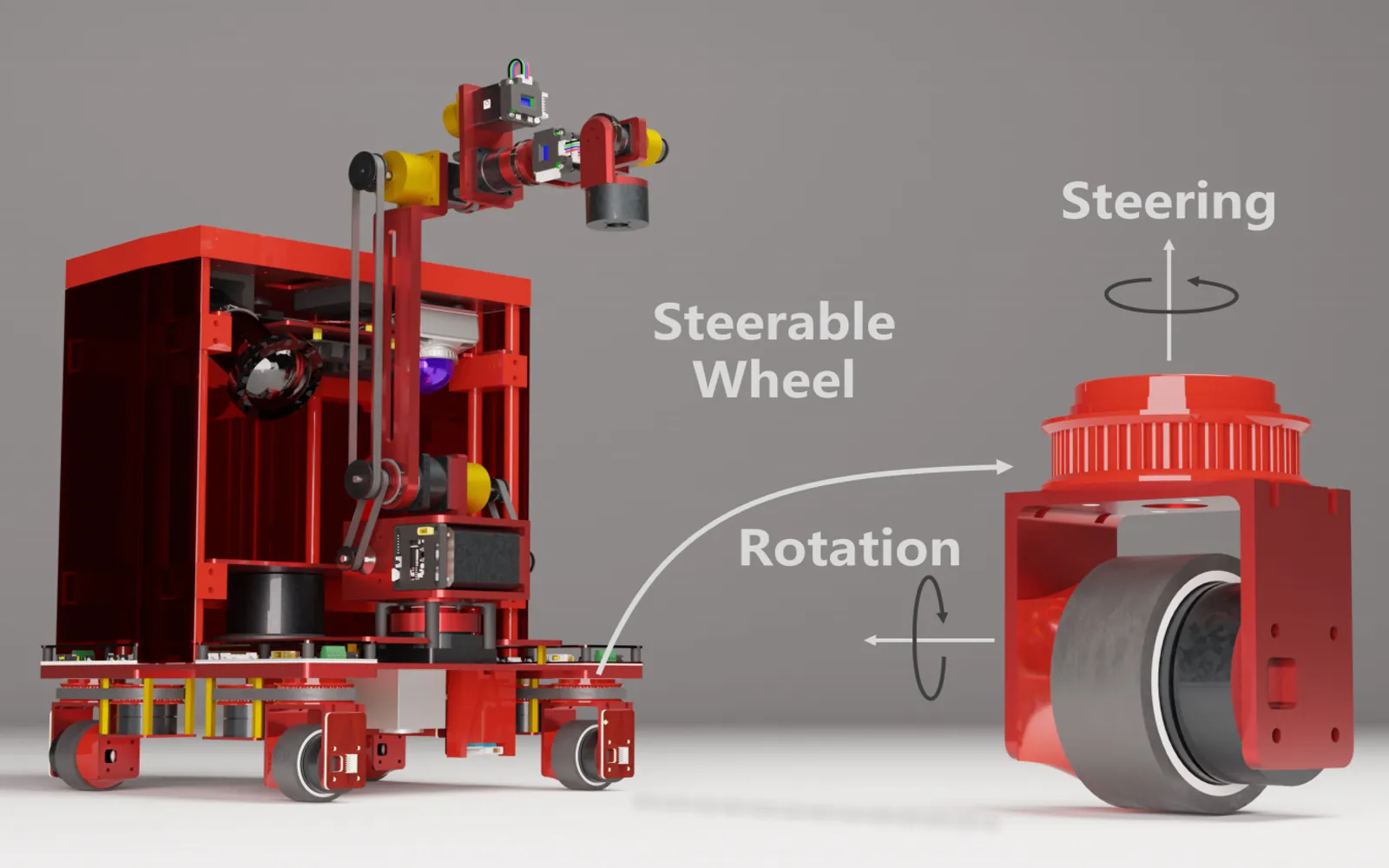
Odometry estimation remains a critical challenge for wheeled robots, as reducing its drift directly mitigates dependency on external localization systems. This paper proposes a distributed odometry framework for steerable wheels, named ICF-DO, which is applicable to both Steerable Wheeled Mobile Robots (SWMRs) and cooperative multi-single-wheel robot systems. The proposed method features low computational complexity and reduced drift, while demonstrating strong robustness in communication-restricted scenarios. Additionally, singularity can be processed in a distributed manner in the proposed framework. Experimental validation on a real physical SWMR platform demonstrates the effectiveness and practicality of the proposed method.
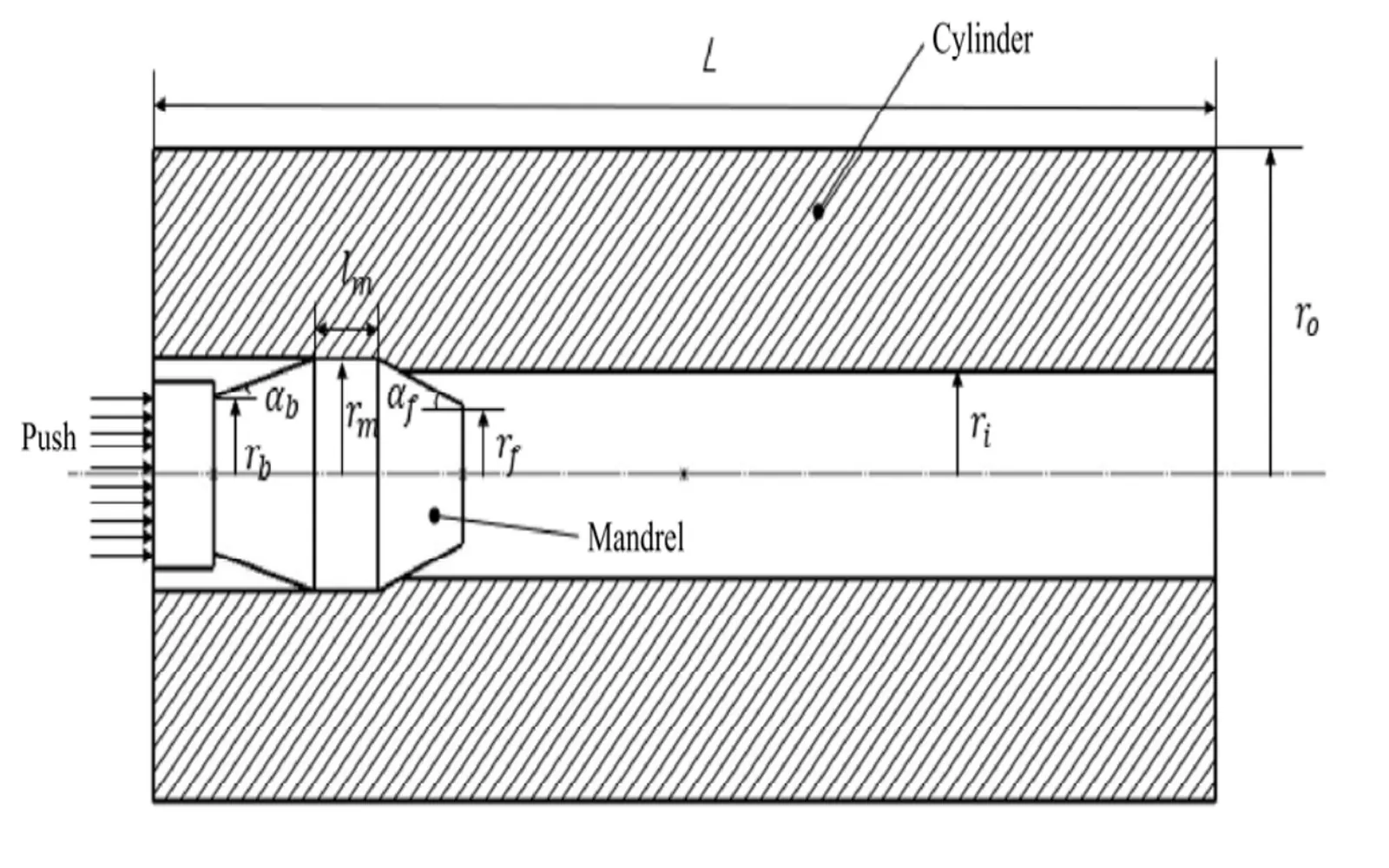
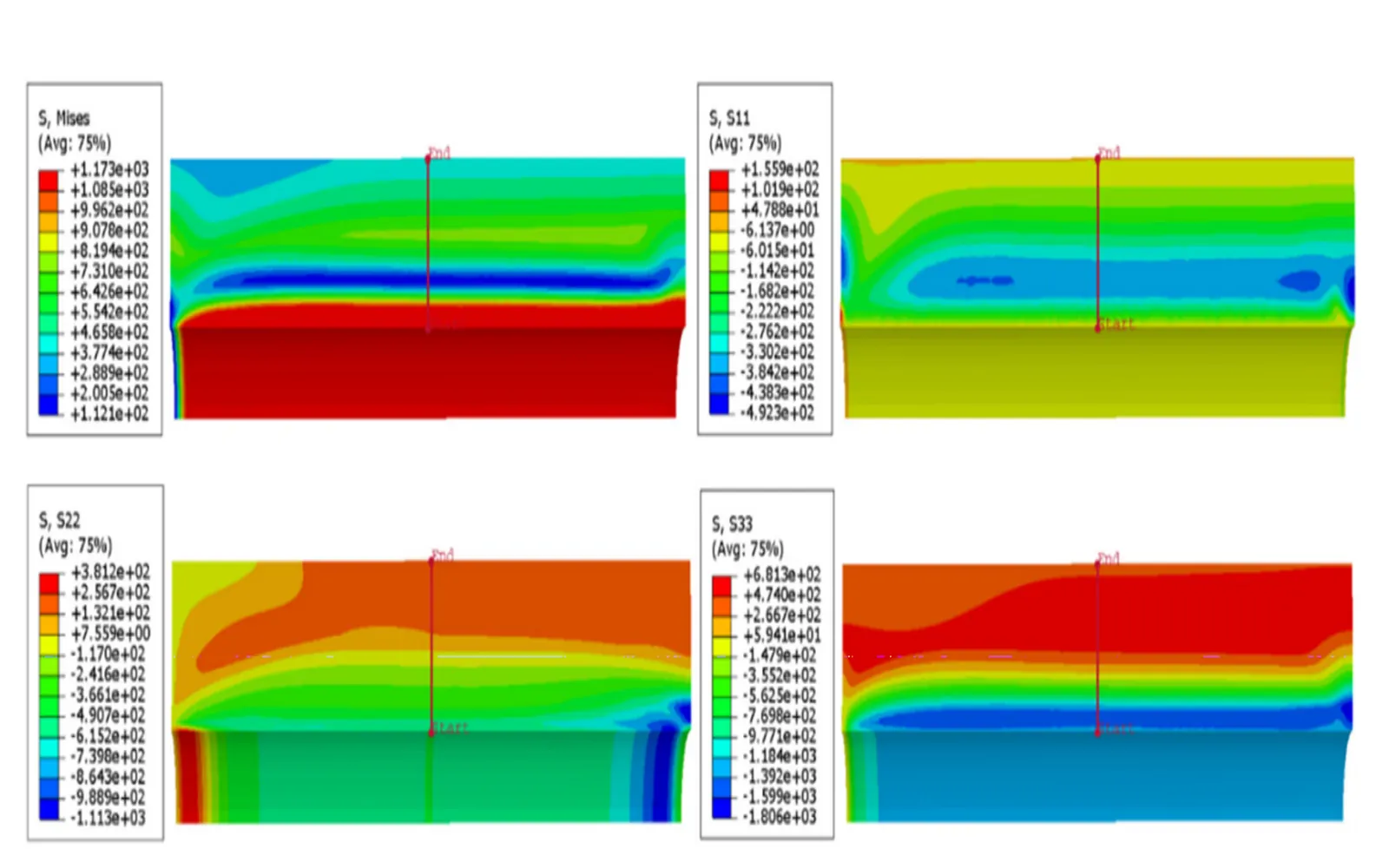
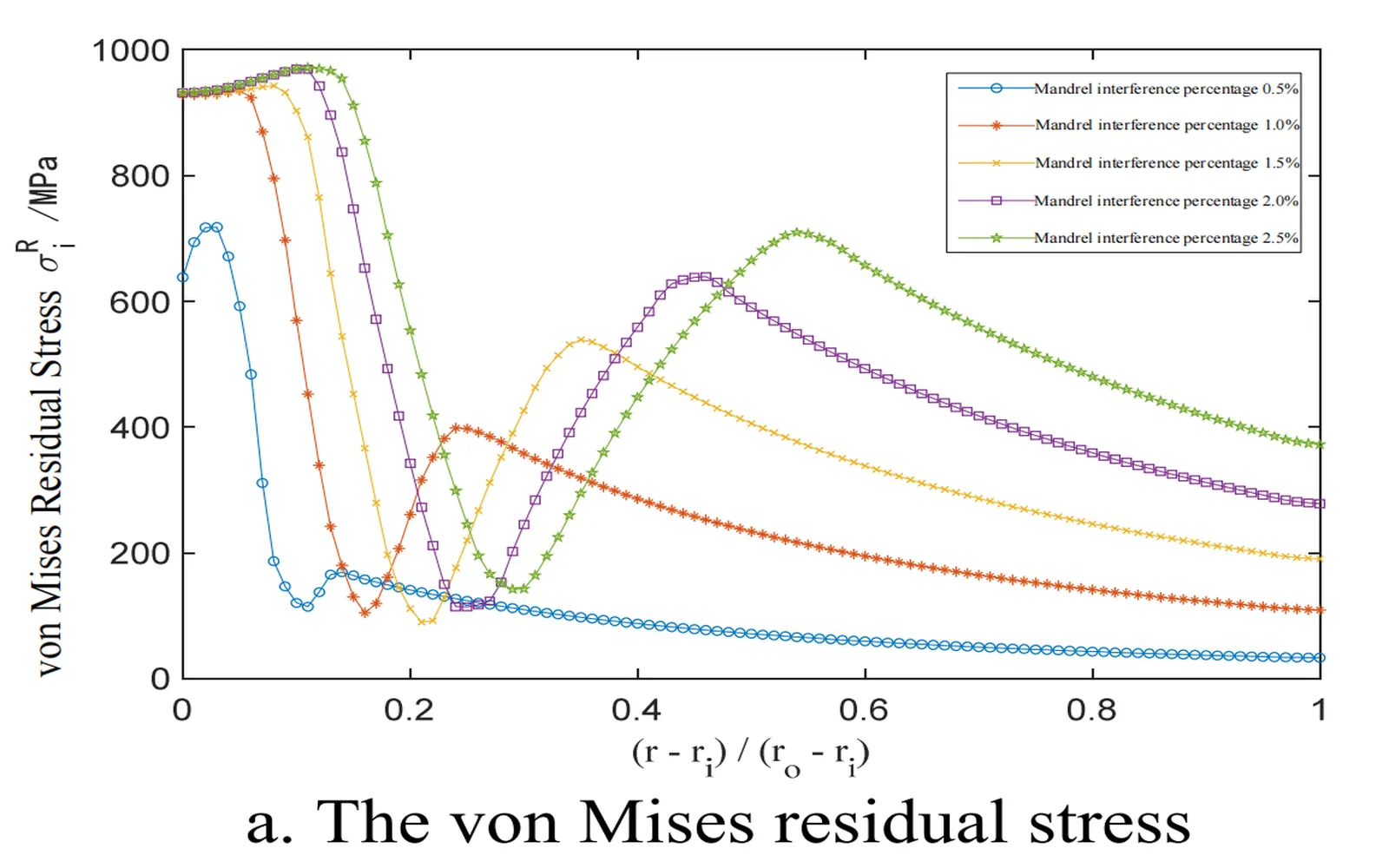
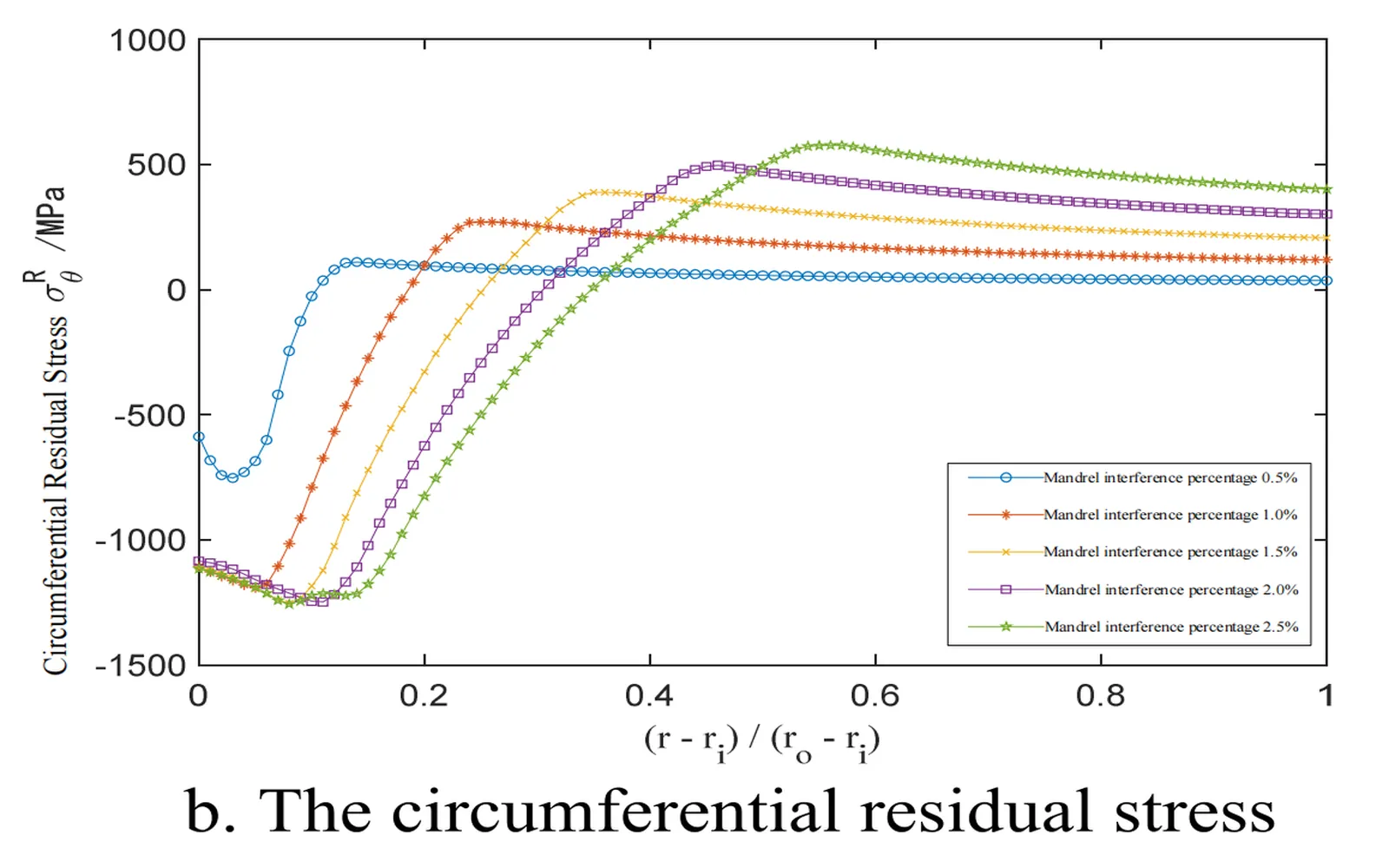
The vital component of the high-pressure pump is the high-pressure cylinder, which undergoes pulsating cyclic loads during operation. This exposure can lead to fatigue cracking and limit the pump’s overall performance. To address this issue, a swage autofrettage treatment method for the high-pressure cylinder is proposed based on the principles of autofrettage technology. The structure parameters of the mandrel are designed to optimize its role in the treatment process. Subsequently, a swage autofrettage simulation model is established, considering the Bauschinger effect to analyze the distribution of residual stress about the mandrel interference percentage. The results demonstrate that the swage autofrettage treatment improves the stress distribution in the high-pressure cylinder, causing the inner wall surface to undergo a circumferential residual compressive stress. Within a specific range, the Bauschinger effect becomes more significant as the mandrel interference percentage increases. This study provides insights for enhancing the durability and performance of high-pressure cylinders while adhering to mechanical engineering standards.
@article{sun2023simulation,
title={Simulation Research on Residual Stress of Swage
Autofrettage-processed High-Pressure Cylinder},
author={Sun, Lihua and Zhou, Rongxuan and Li, Guiqin and Li, Jianing and Mitrouchev, Peter},
journal={J. Phys.: Conf. Ser.},
volume={2587},
pages={012088},
year={2023}
}
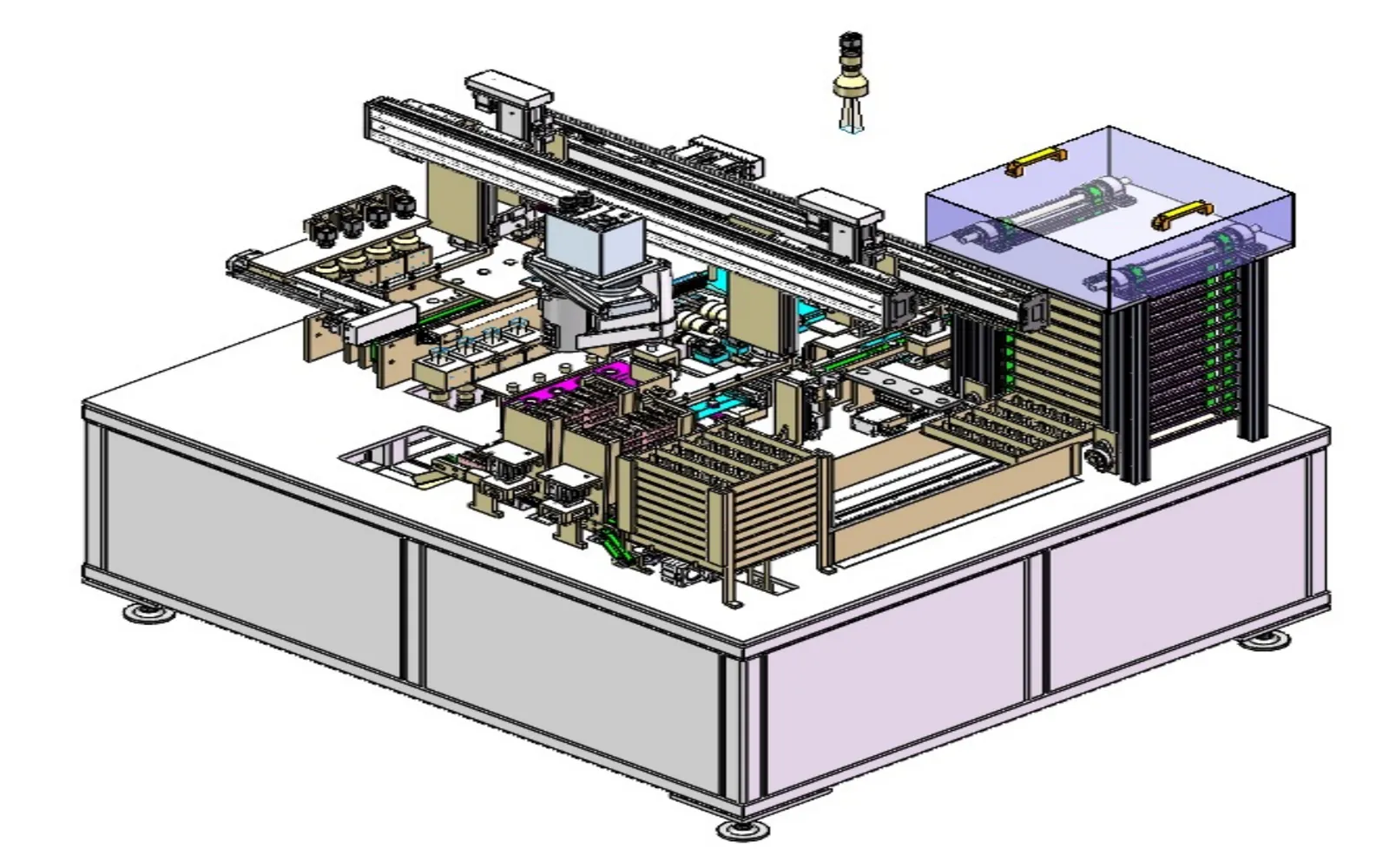
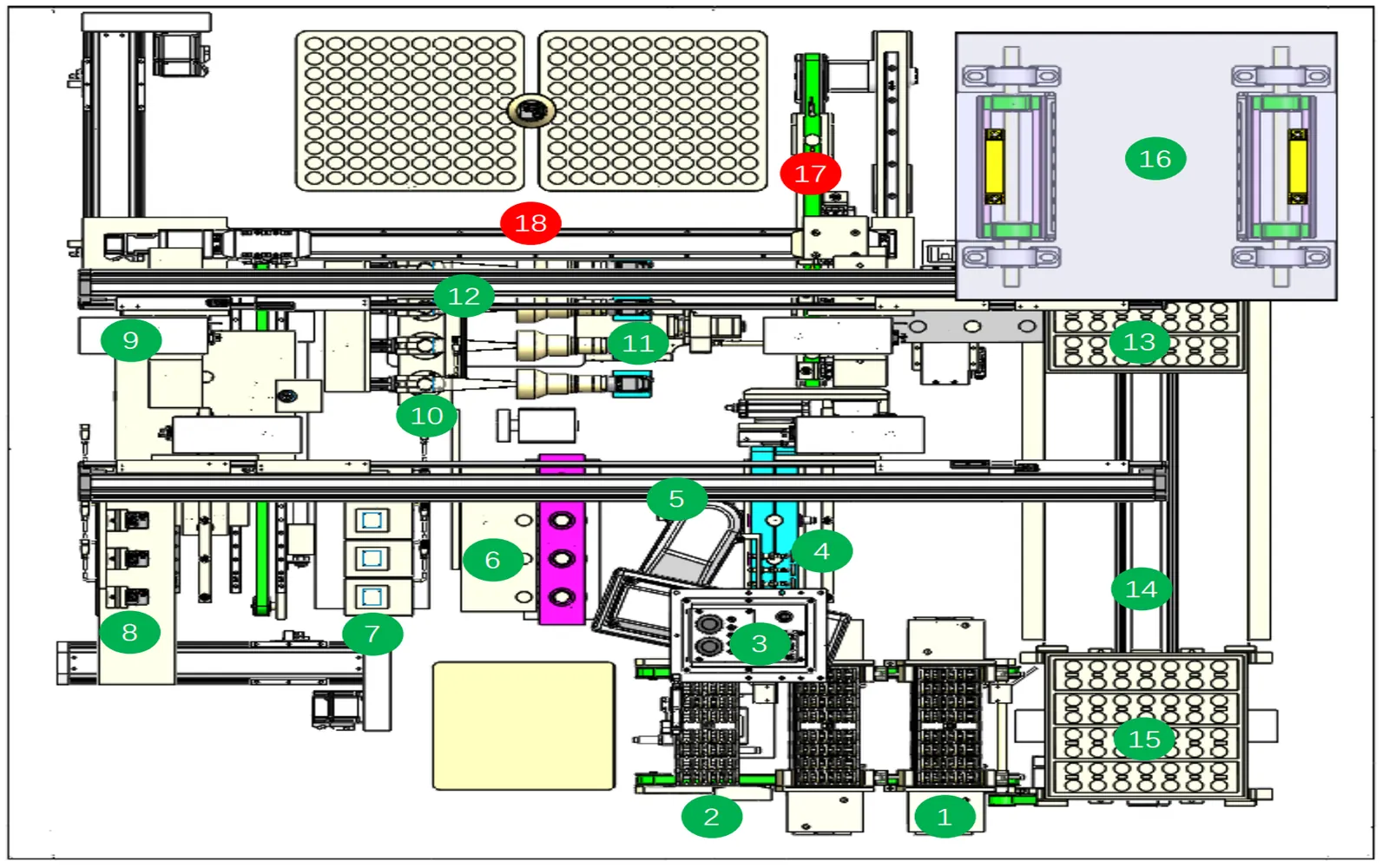
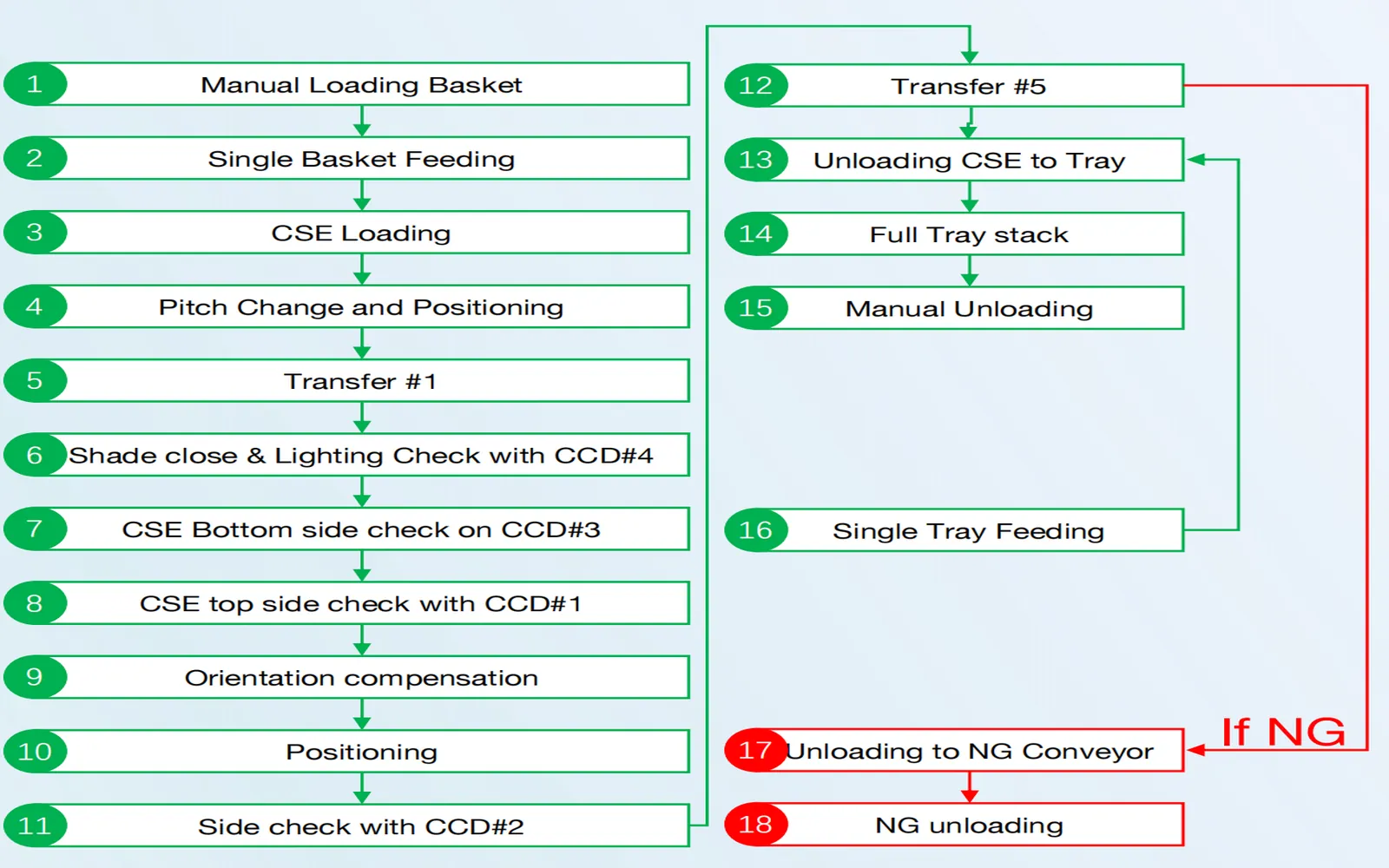
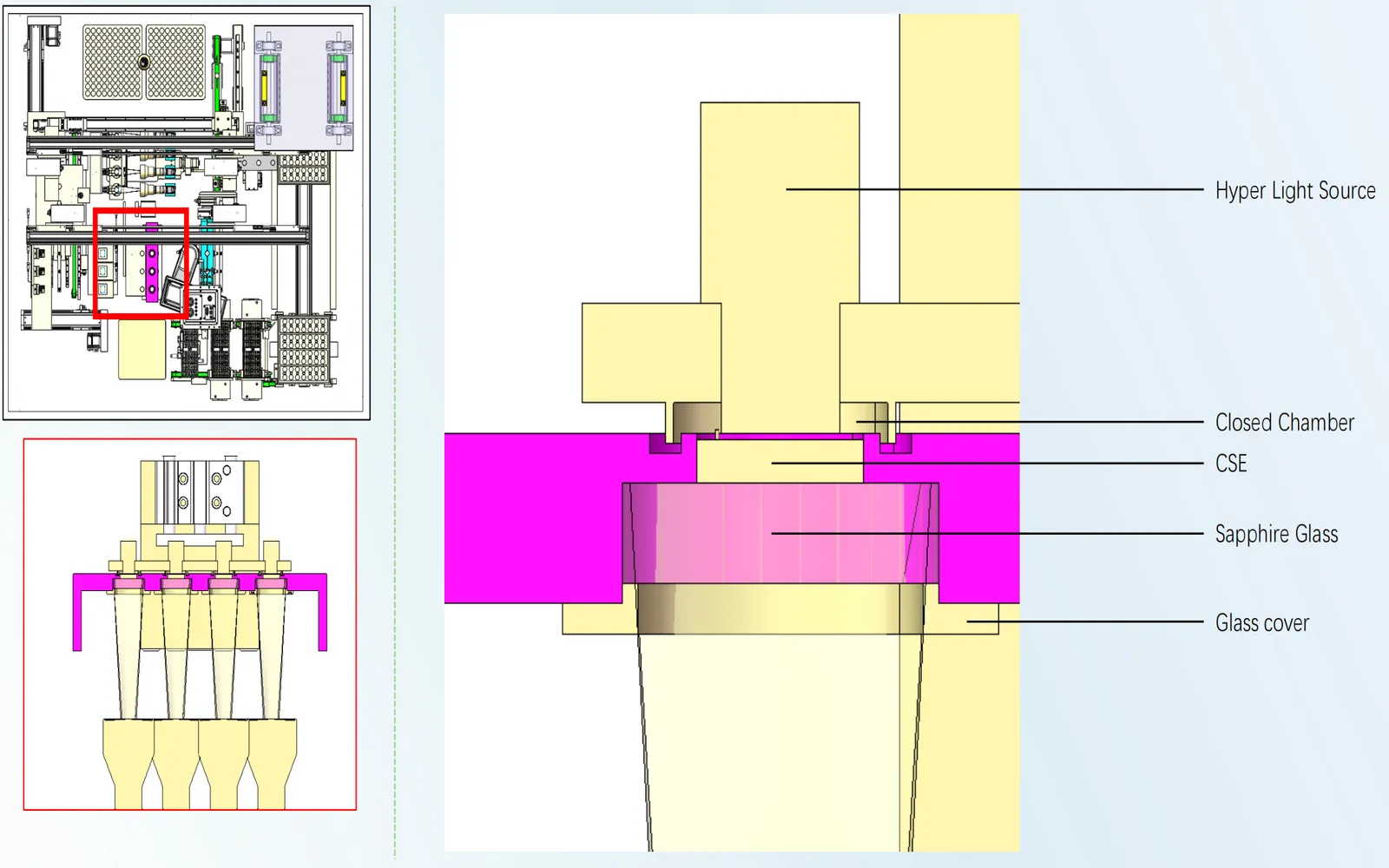
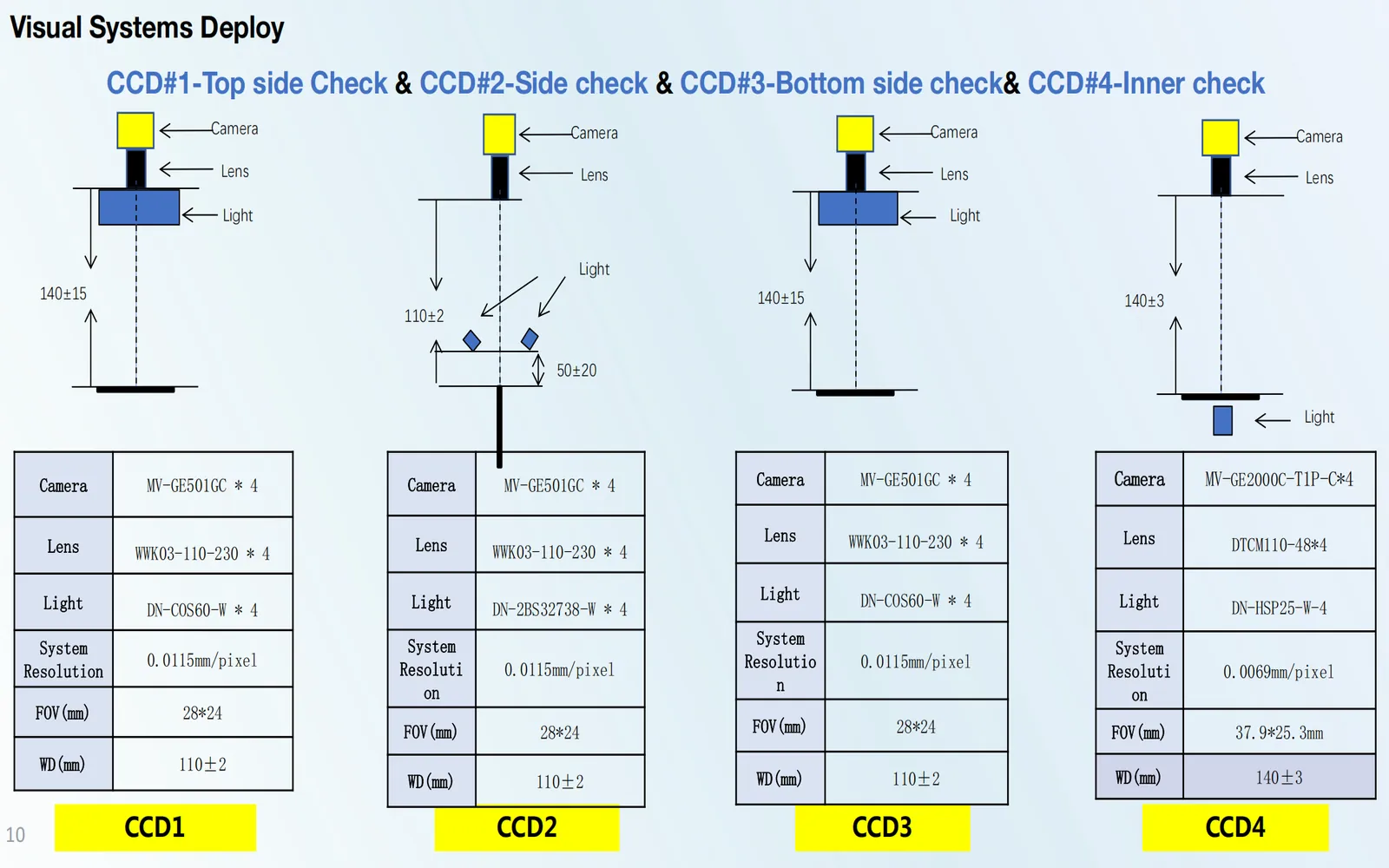
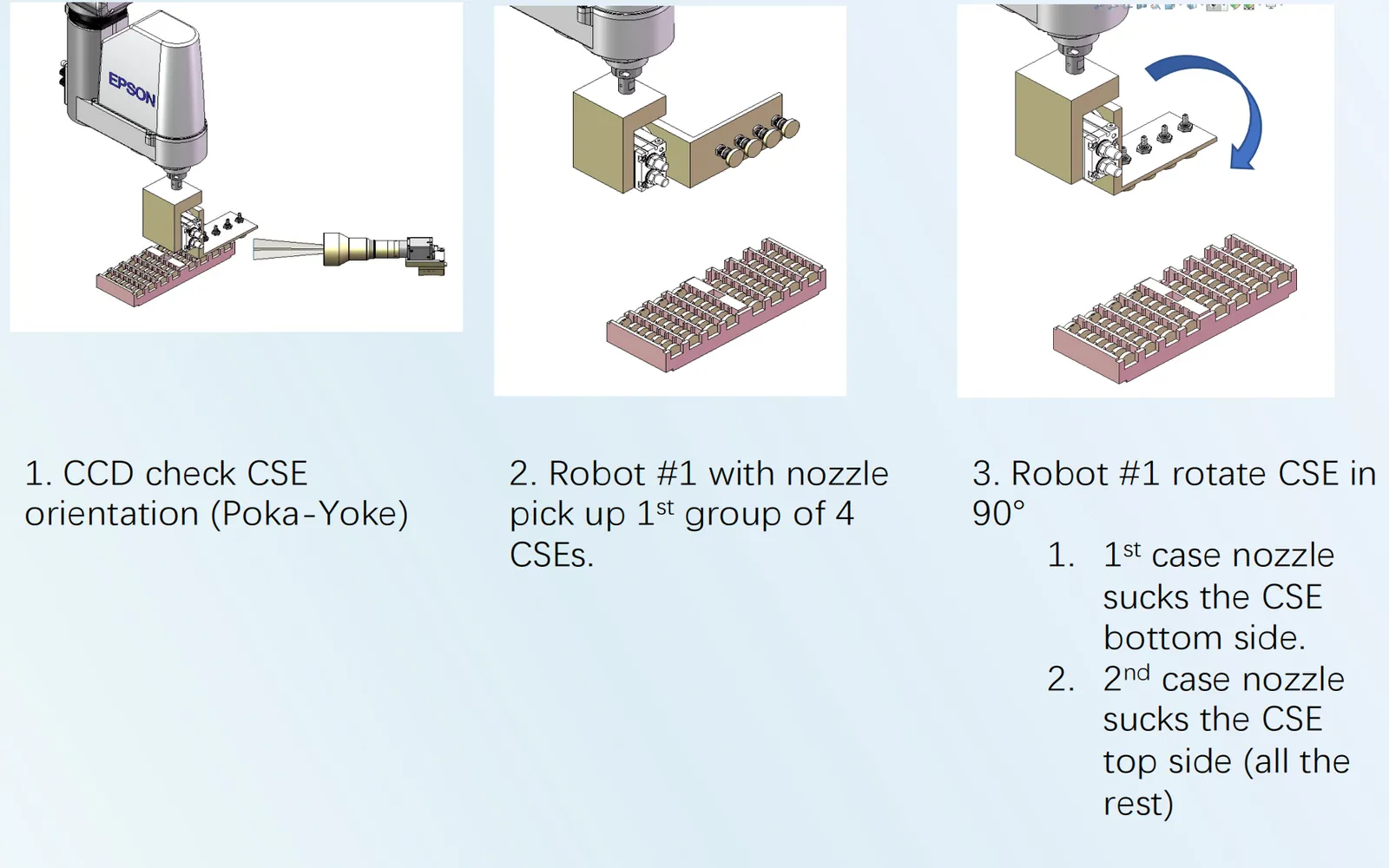
Designed and delivered a production AOI (Automated Optical Inspection) system for Texas Instruments CSE semiconductor products at Dinnar Automation. The system uses 4 industrial CCD cameras (MV-GE501GC) with multi-angle illumination to inspect 19 defect categories including epoxy exposure, pin missing, contamination, and marking defects, achieving 100% detection rate at >85K units/day throughput.
Developed EtherCAT master module with 1 kHz F/T sensor synchronization at CloudMinds Robotics, reducing joint control cycle from 20 ms to 12 ms (40%). Co-designed standardized multi-robot assembly workstations for harmonic reducer production with digital twin systems. Deployed data-driven impedance controller on UR5e with 42% vibration reduction.
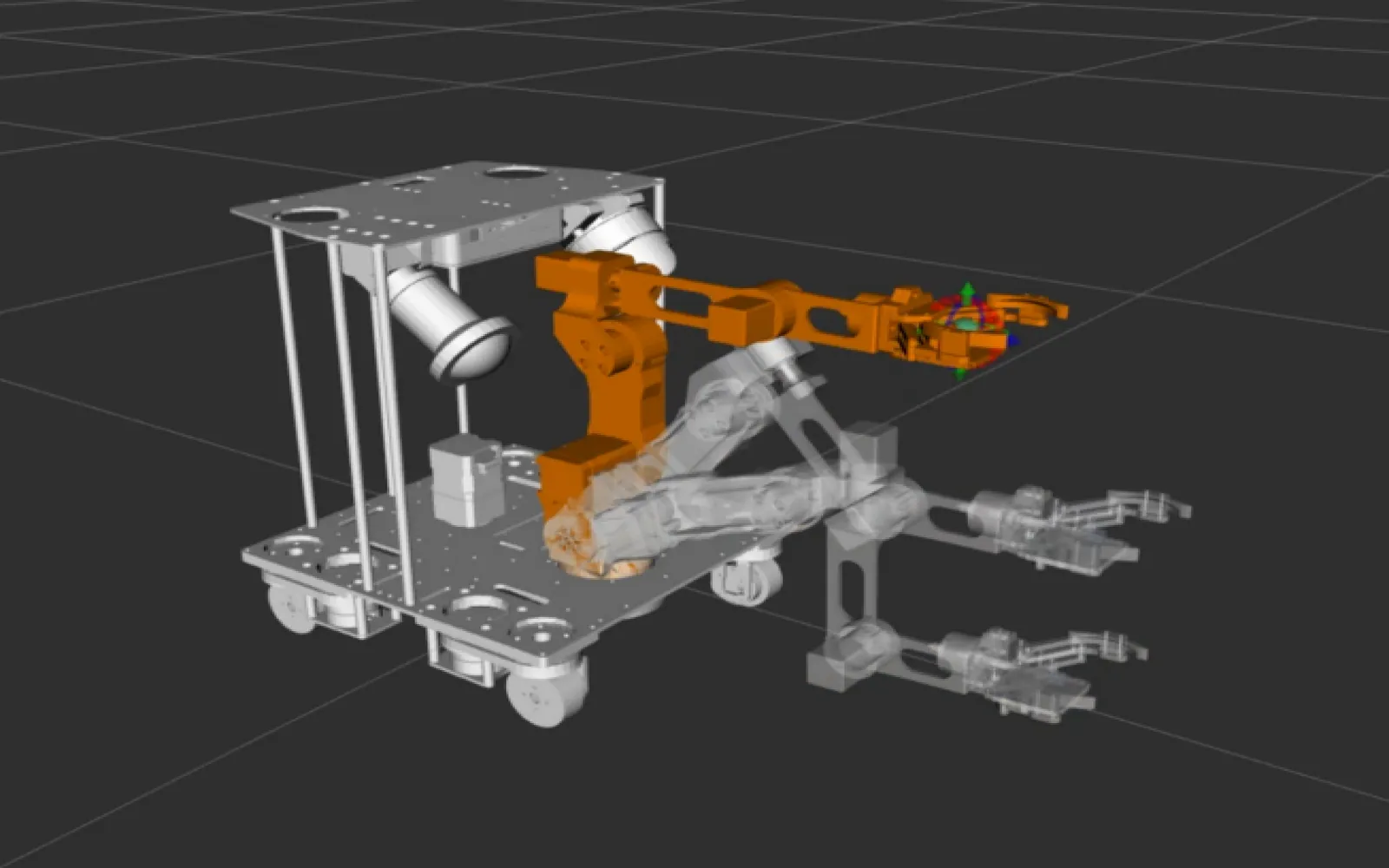
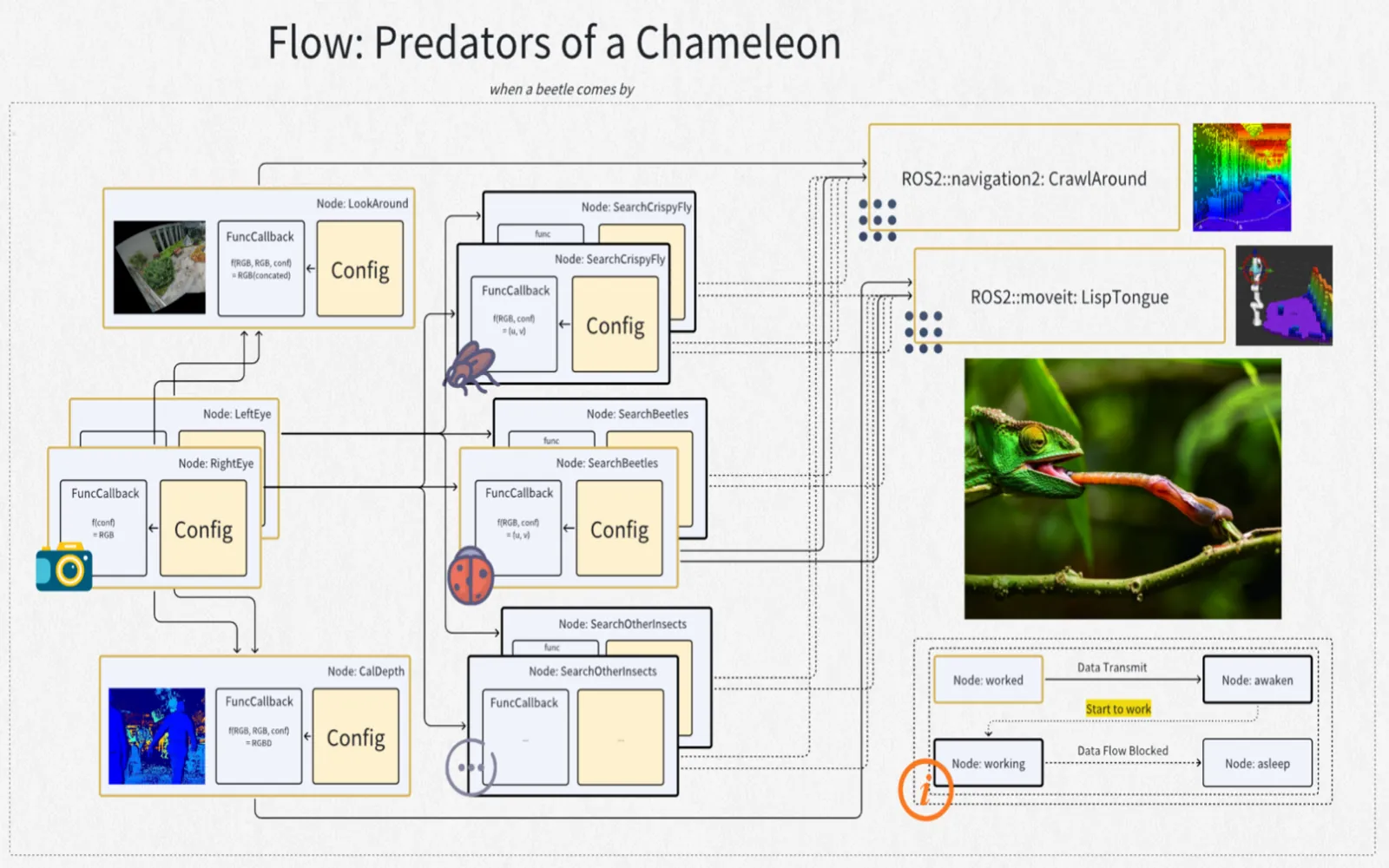
Co-designed the full-stack "Fines" robotic platform at SJTU IWIN-FINS Lab: hardware architecture (steerable wheeled chassis), embedded control framework (FineMote, 1 ms cycle), and perception pipeline (FineVision with LiDAR + IMU fusion). The platform enabled experimental validation for the IROS 2025 paper on distributed odometry.
Built GAN-based CAN FD signal synthesizer (5× augmented data, +35% ECU test coverage) and gradient reversal domain adaptation pipeline (CARLA→NIO ET5) at NIO Autonomous Driving, reducing lateral control error by 37% in production vehicle road tests.
Open-source 65-tool MCP server bridging MuJoCo physics simulation with AI assistants via natural language. Supports trajectory optimization (iLQR, MPPI), inverse kinematics, domain randomization, and RL environment integration for 50+ robot models from MuJoCo Menagerie.
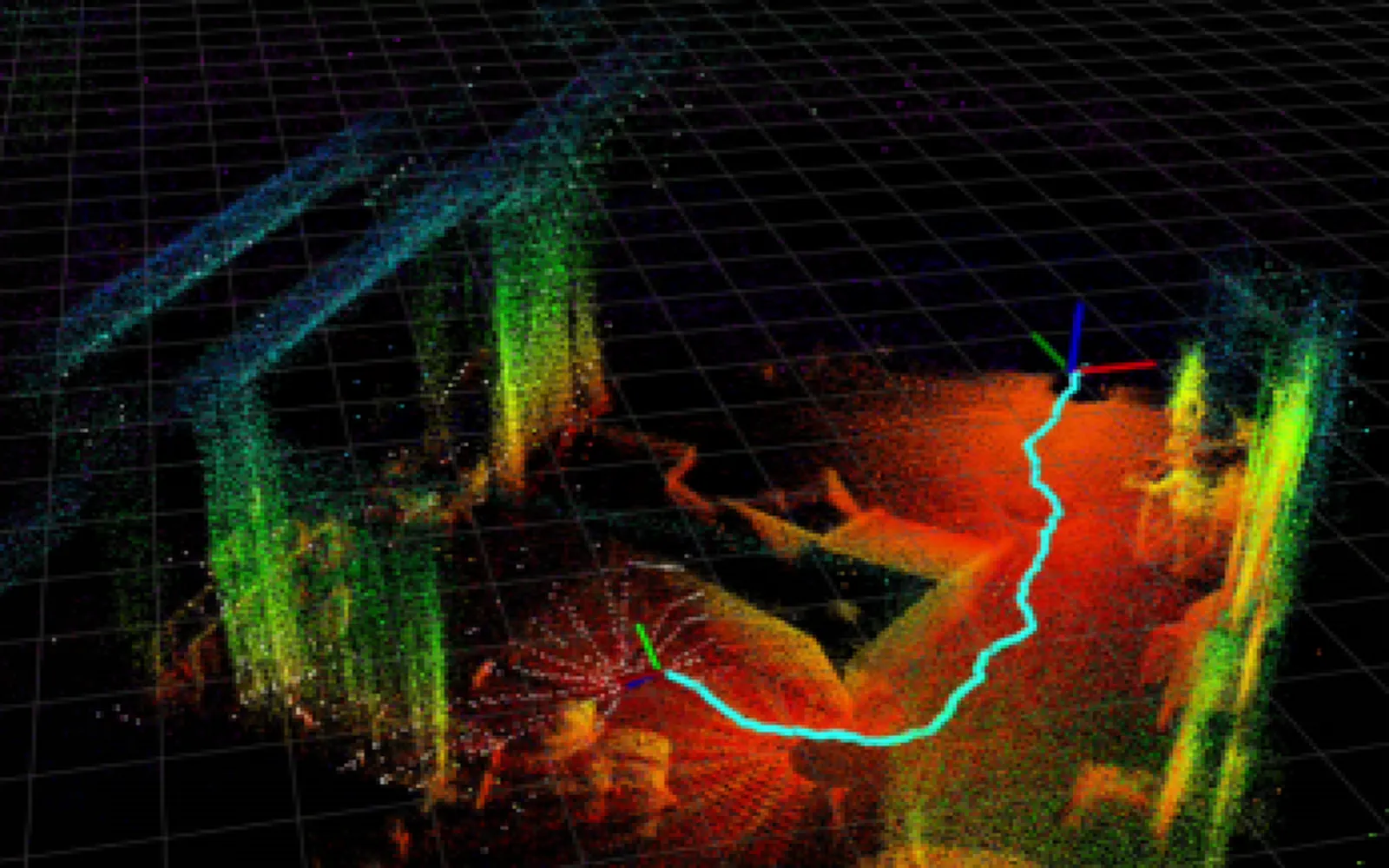
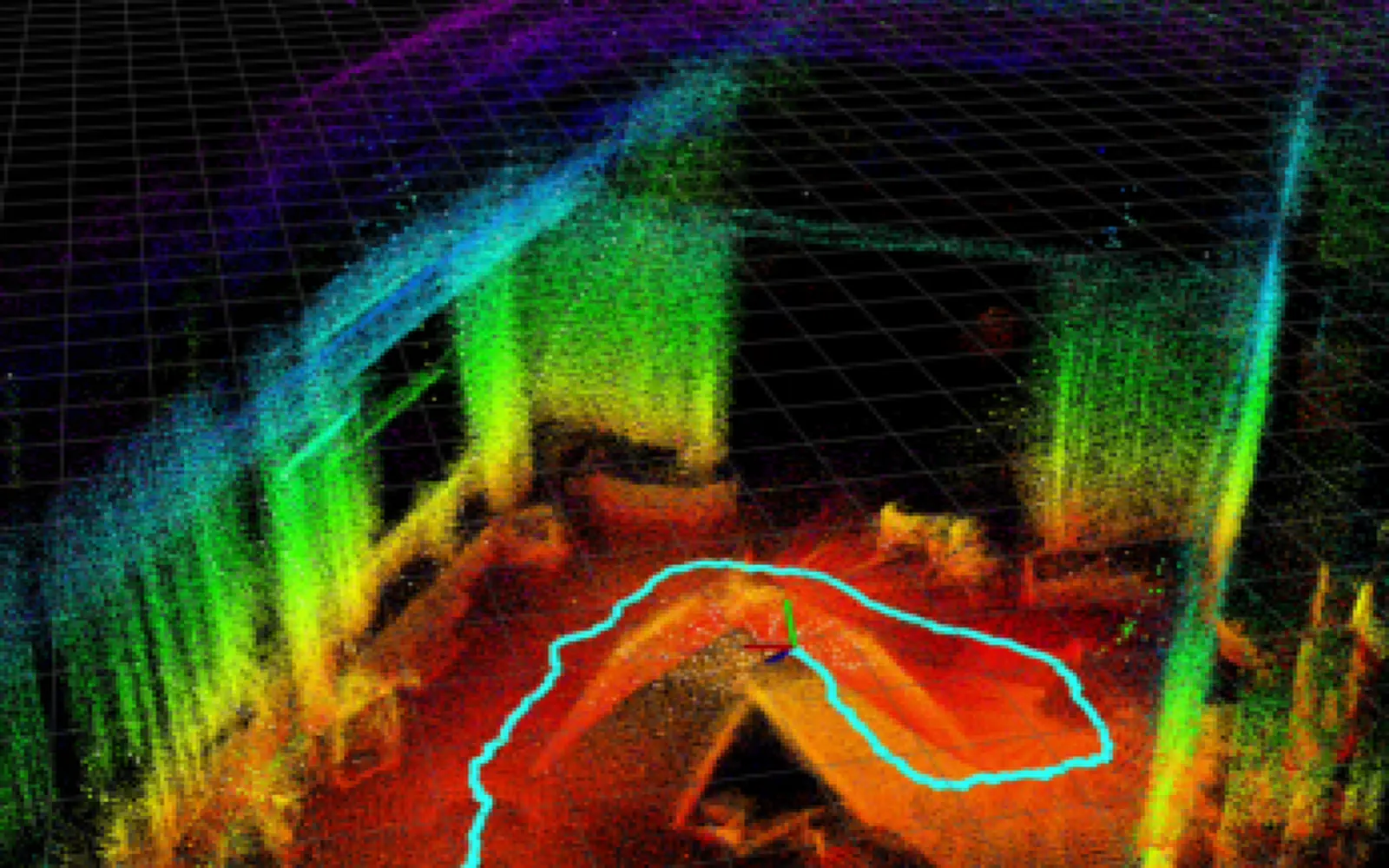
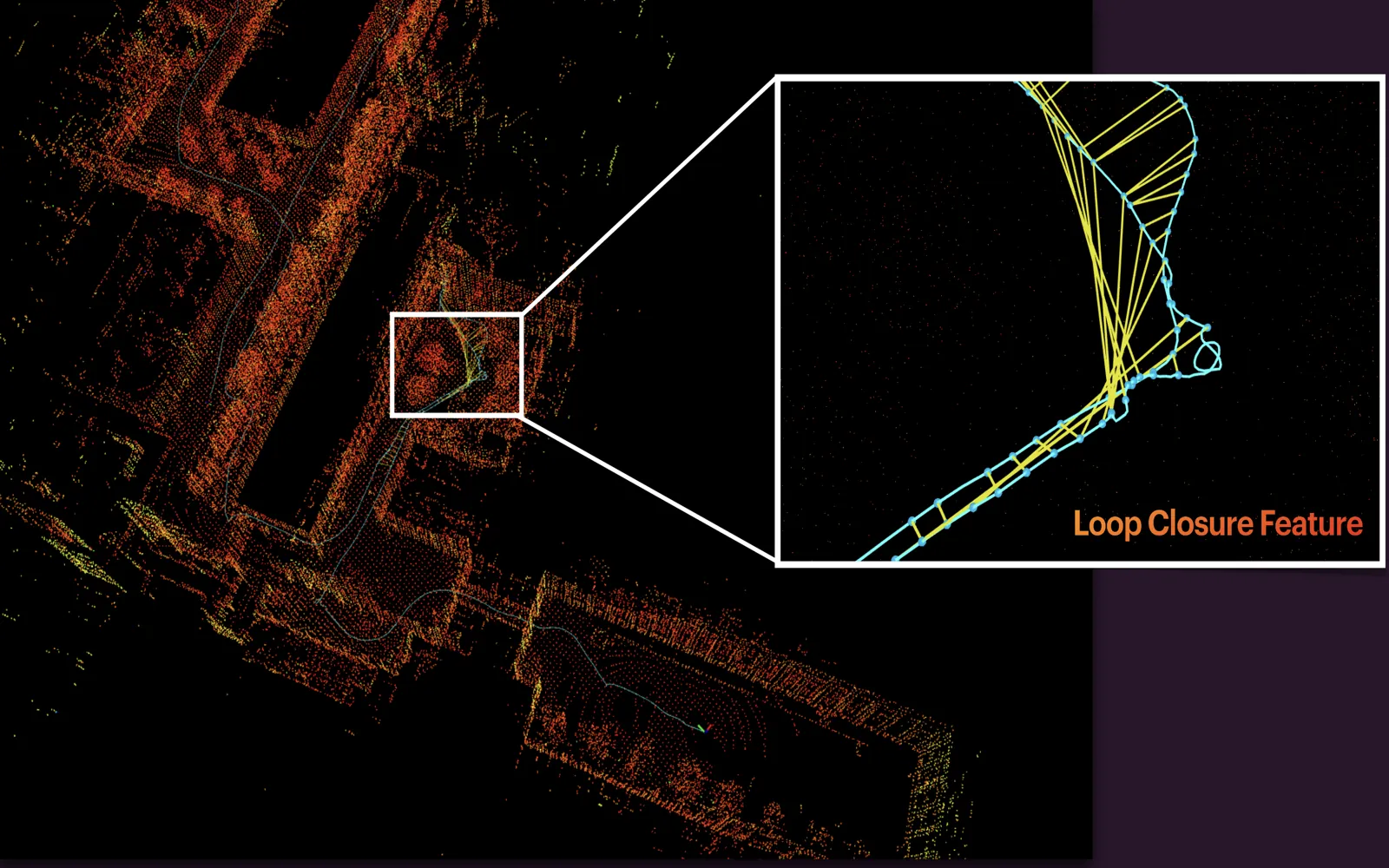
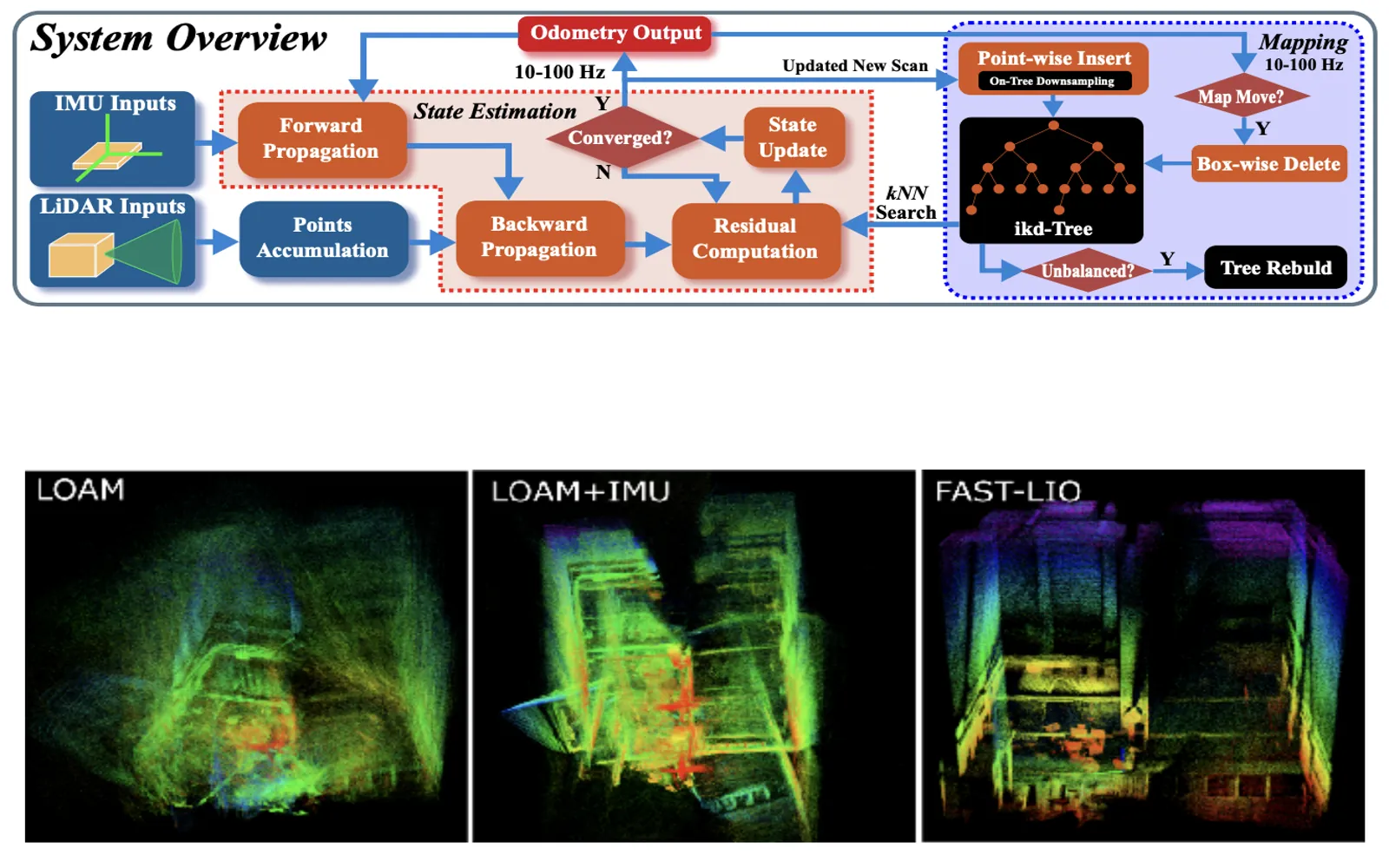
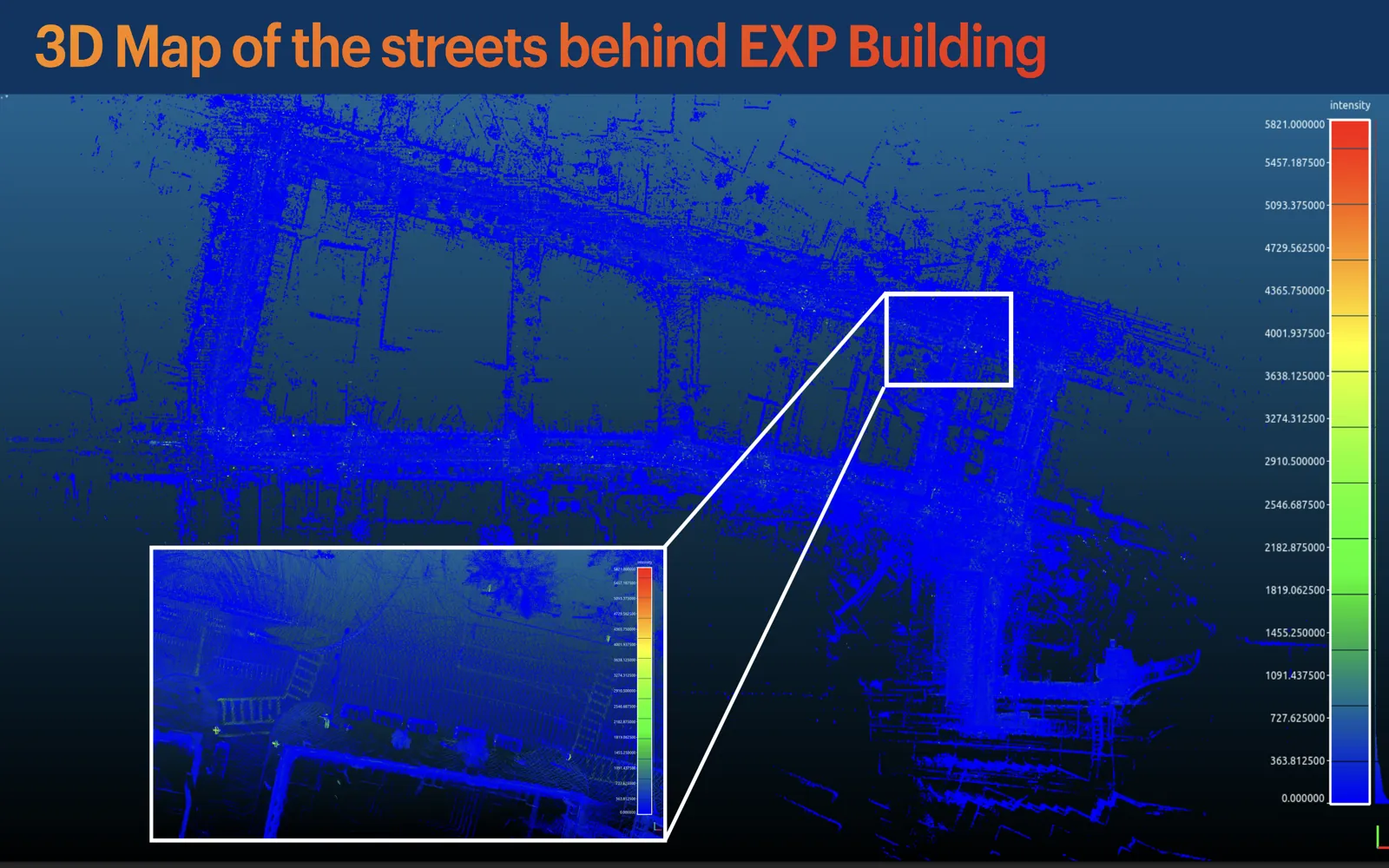
Benchmarked FAST-LIO vs. LIO-SAM on real-world driving datasets collected with Northeastern's NUance autonomous vehicle platform. Integrated FAST-LIO-LC for loop closure drift correction over long trajectories, achieving consistent sub-meter accuracy.